
Owner guides
Gator Tonneau Cover Installation by Model
Gator uses its name on several mechanisms. An EFX folding-panel instruction and an SRX roll-up instruction describe different parts and closure checks. Identify the actual series and fit application before laying out the rails.
Locate the correct document
Look for the series, part number and left or right labels on the underside, packaging or order record. Match the vehicle and bed length too. The linked EFX and SRX product pages provide manufacturer-specific starting points. If your cover label says SFX, FX3 or another series, use the manual for that series.
Sort the components by function
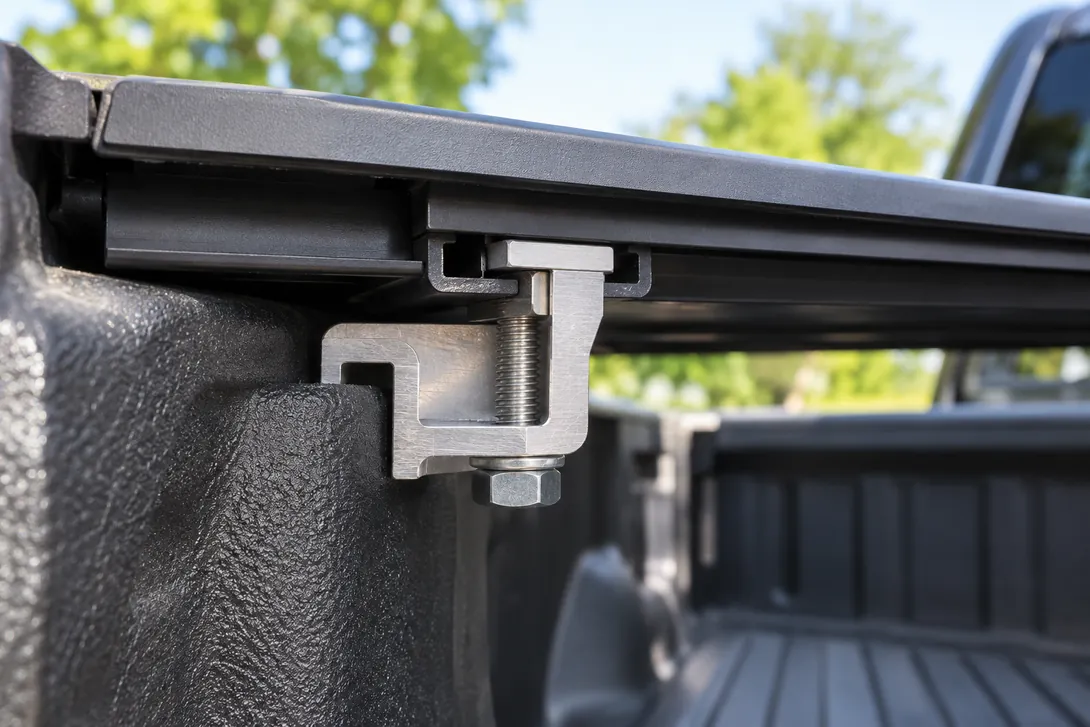
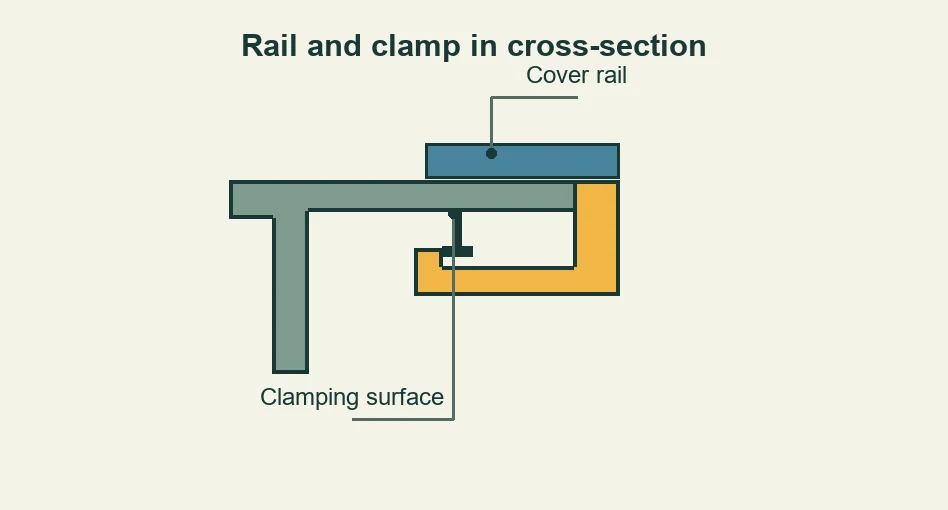
On a clean surface separate rails, clamps, front seal and any drains or straps supplied. Compare quantities and shapes with the exact guide. The pressure from a clamp can deform or misalign a rail if its jaws sit against trim instead of the prescribed mounting surface.
| Mechanism | Distinct check |
|---|---|
| Hard folding panel | Panel alignment, even latch engagement and the permitted open position. |
| Soft roll-up | Correct rail orientation, rear latching and how the rolled cover is secured. |
| Retractable system | Canister support, rail alignment, drainage and travel into the front housing. |
Worked example
A Gator label is only the first clue
A buyer receives a used Gator top with two long rails. The seller remembers a Tacoma, but does not remember which Gator model it was. Before touching the truck, lay the hardware on a protected surface and photograph the top both folded or rolled and closed.
Read its label and compare the rear fastening system with the EFX and SRX documentation. A correct-looking clamp in a Tacoma diagram does not turn a roll-up rail into an EFX part. Once the series, bed application and component list agree, use that exact manual for rail positioning and final latch checks. Ask support to identify anything still missing.
- Distinguish the mechanisms
- A retractable housing, roll of fabric and stack of hard panels require different install sequences.
- Save one overall photo
- A support technician can identify a misplaced component more easily when its position relative to the entire bed is visible.
Pick the right checkpoint
Make the first adjustment with the truck parked and the cover supported as directed. Tightening everything before checking the tailgate can lock an alignment error into both rails.
| Situation | What to check |
|---|---|
| Still identifying the kit | Find the cover label and photograph both rails and the hardware. Get the correct diagram before fastening anything. |
| Rails are in but the rear will not latch | Recheck rail spacing and squareness against the series instructions. Do not substitute an assumed clamp torque or force the latch shut. |
| Installed and ready to drive | Verify both sides are engaged, confirm approved strap or panel positions and perform the manual's recheck schedule. |
Keep the setup recoverable
Save the manual, part number and a photo of each finished clamp. If a rail or latch will not reach its specified position, give Gator the truck configuration and photos. A damaged or mismatched component needs identification before the truck goes back on the road.