
Accessories
Bike Racks for Trucks With Tonneau Covers
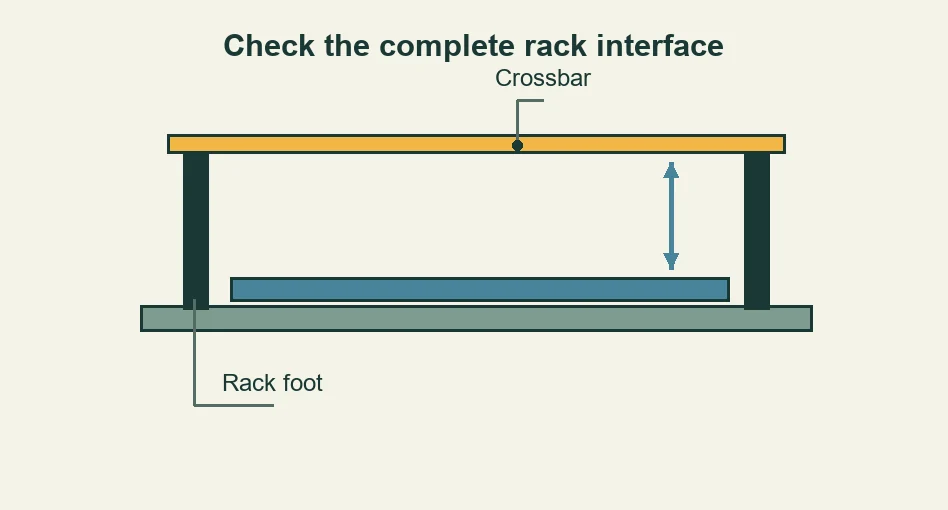
A bike rack above a closed tonneau usually needs a supported crossbar system first. A bike tray that fits standard bars does not establish how those bars attach to the truck. Check the cover-to-foot combination, then match the carrier to the bike.
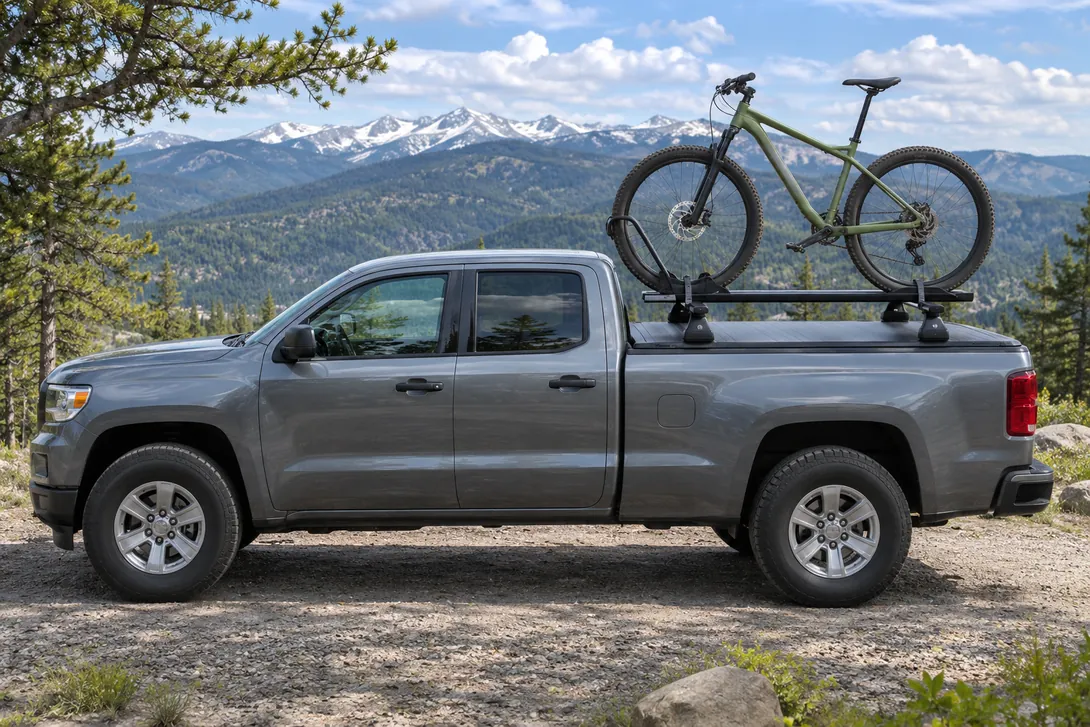
Identify the bike interface
Record wheel size, tire width, wheelbase, bike weight and any fenders. A fork-mounted carrier also depends on the front axle standard and may require front-wheel storage. Yakima HighSpeed is a fork-mount example with published axle and crossbar fit guidance.
Check the loaded geometry
Set out the two support locations and the distance between bars. Consider handlebar height and width, where the tail of the tray lands and the arc of a folding cover. Loading a heavy bike onto a high truck can be a bigger constraint than the number of available mounting slots.
| Part of system | What to match |
|---|---|
| Truck, cover and rack feet | Named applications, approved adapter and loading limits. |
| Crossbars and tray | Permitted bar shape, spread and attachment. |
| Bike and mount | Axle or wheel support, weight, wheelbase and fender clearance. |
| Front wheel if removed | Secure storage away from shifting cargo. |
Worked example
The tray fits the bars but the bike cannot be loaded
A rider transfers a fork-mount tray from a lower vehicle to a pickup with crossbars above the cover. The tray’s clamps fit, yet the higher lifting position makes it difficult to guide the fork into the carrier. Before committing, identify the bike weight, front axle standard, tray’s permitted range and the approved truck rack combination.
While parked, rehearse your standing position and the movement needed to lift that bike safely. Check where the removed front wheel will be secured. If reach or weight is the obstacle, compare a documented alternative carrying method rather than treating compatible bar clamps as the final answer.
- Include the accessories on the bike
- Fenders, long wheelbases and unusual tire widths can rule out some wheel-supported trays.
- Measure the highest loaded point
- A bike saddle or front wheel can make a familiar garage entrance unusable.
Choose by how you load the bike
A rack that works for one lightweight road bike may be unsuitable for a heavier e-bike or a bike with a different fork. Compare the actual bike and your lifting reach with the published limits.
| Situation | What to check |
|---|---|
| I want to leave the front wheel on | Find a wheel-on carrier that accepts the tire, wheelbase, fenders and weight. Check its bar-clamp clearance above the cover. |
| I prefer a fork mount | Record the axle standard and adapter requirements. Confirm you can secure the removed wheel separately. |
| I need access to cargo while the bikes stay on | Check whether the cover opens with loaded trays and bikes fitted. Include pedals and wheel overhang in the sweep. |
Measure total height
After verifying fit and restraint, measure the loaded truck from ground to its highest point. Keep that height available for garages. Follow both carrier and rack instructions on movement, inspection and load limits.