
Accessories
Tonneau Cover Rails, Side Rails and Replacement Tracks
Truck bed rail can describe a decorative bedside rail, an original cargo-management track, a cover's operating rail or an accessory slot on top. Each attaches and carries loads differently. Identify what the rail actually does before searching for a replacement.
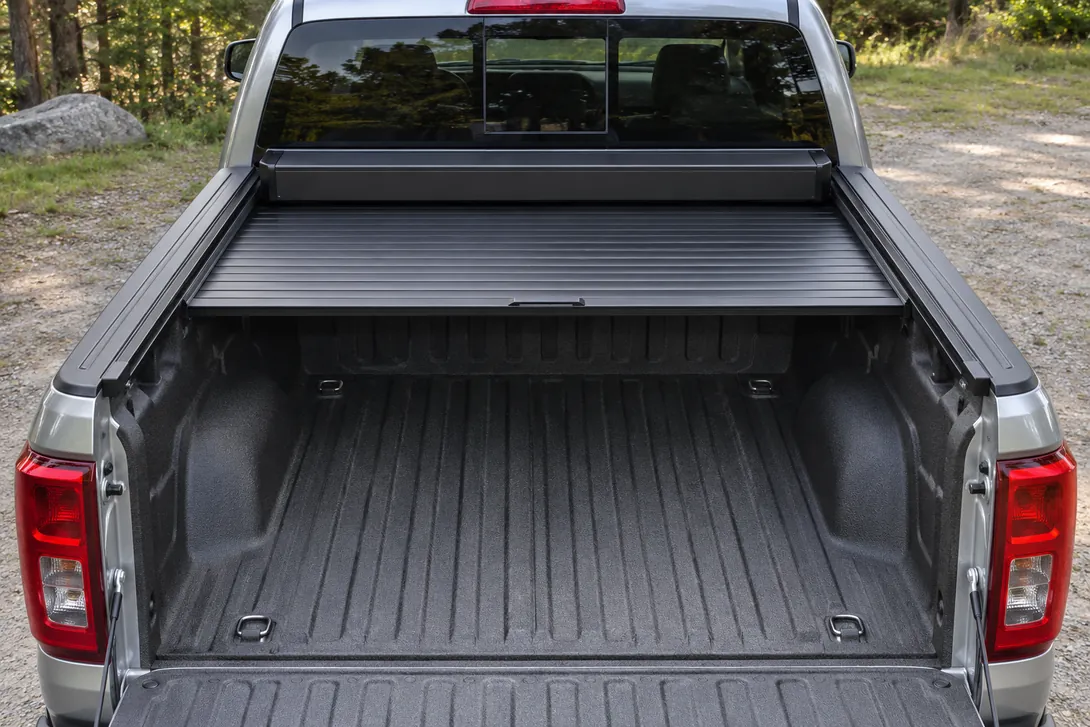
Start with what moves along the rail
If the cover or shutter rides in it, the rail belongs to the cover mechanism. If cargo cleats slide along it below the top edge, it may be part of the truck's factory system. A top accessory track can take approved feet without serving as a universal replacement for either.
Compare the cross-section and ends
Photograph both end caps and the mounting surface. Record which side is damaged, orientation toward the cab and exact cover series. Rubber seals, latches, drain outlets and stops can be built into a rail that appears straight and simple from above.
| Rail type | Information needed |
|---|---|
| Cover guide or bed rail | Cover generation, side, bed length, cross-section and attached hardware. |
| Original utility track | Vehicle options and approved clamp or spacer arrangement. |
| Accessory T-slot | Track version, documented foot or adapter and load requirements. |
| External bed rail or guard | Mounting footprint and whether it interferes with the cover. |
Worked example
Ordering the left rail for an identified cover
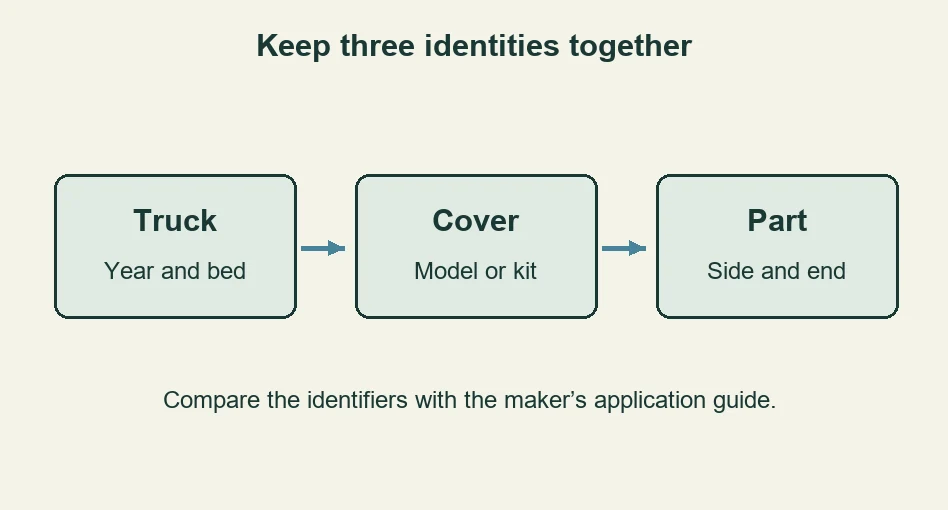
A passenger-side track is bent on a used cover. The seller offers a rail of the same length from another kit and describes it as the left side while facing the tailgate. Take an overall photo with the cab visible, annotate the rail as passenger side on the installed US truck, and photograph both end profiles.
Compare the original part number, seal channel, drain connection and receiver locations with the manufacturer’s drawing. A matching length and a mirrored photograph do not establish that slats or latches will engage. Ask which seals or end fittings must transfer and whether a superseding rail requires other parts.
- Clarify what “rail” refers to
- A factory tie-down track below the bedside does not perform the cover guide’s job.
- Inspect adjoining mounts
- An impact that bends a rail can shift its mounting face or bracket too.
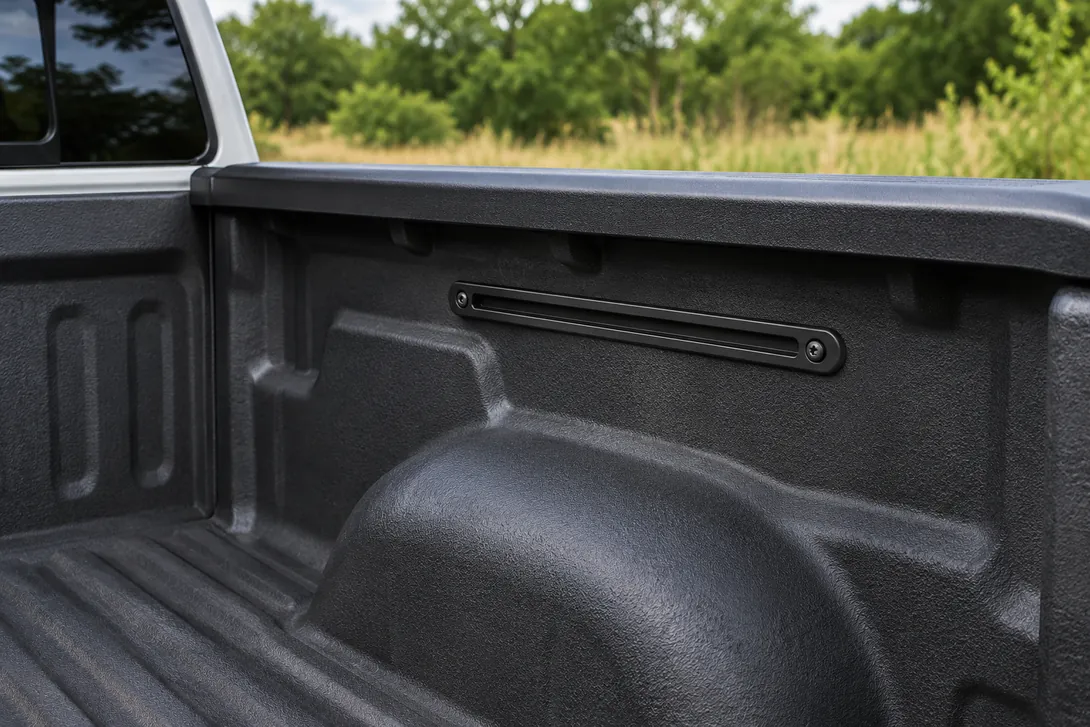
Choose the right source of fit information
A same-length replacement rail can engage different slats, clamps or latches. The part number should agree with the exploded drawing or a manufacturer-confirmed superseding assembly.
| Situation | What to check |
|---|---|
| Replace a damaged side track | Identify the cover and find its left or right rail number. Ask which seals or end components transfer. |
| Keep original utility rails while adding a cover | Read the truck-specific installation guide for approved spacers, relocation or retention instructions. |
| Add crossbars above a cover | Look for a documented accessory track and adapter. Standard cover side rails are not automatically rated for rack loads. |
Check alignment after installation
Use the specified spacing and fastening sequence. Cycle the cover and inspect latches, drains and seals while parked. If a rail is bent following an impact, inspect its companion mounts before ordering the visibly damaged piece alone.