
Accessories
Truck Bed Tents With Tonneau Covers
A bed tent often needs the same top rails, corners and cab-side space as the tonneau. Check where the poles and straps must sit and how much clear sleeping length remains. A cover can open completely for hauling yet still prevent the tent from pitching correctly.
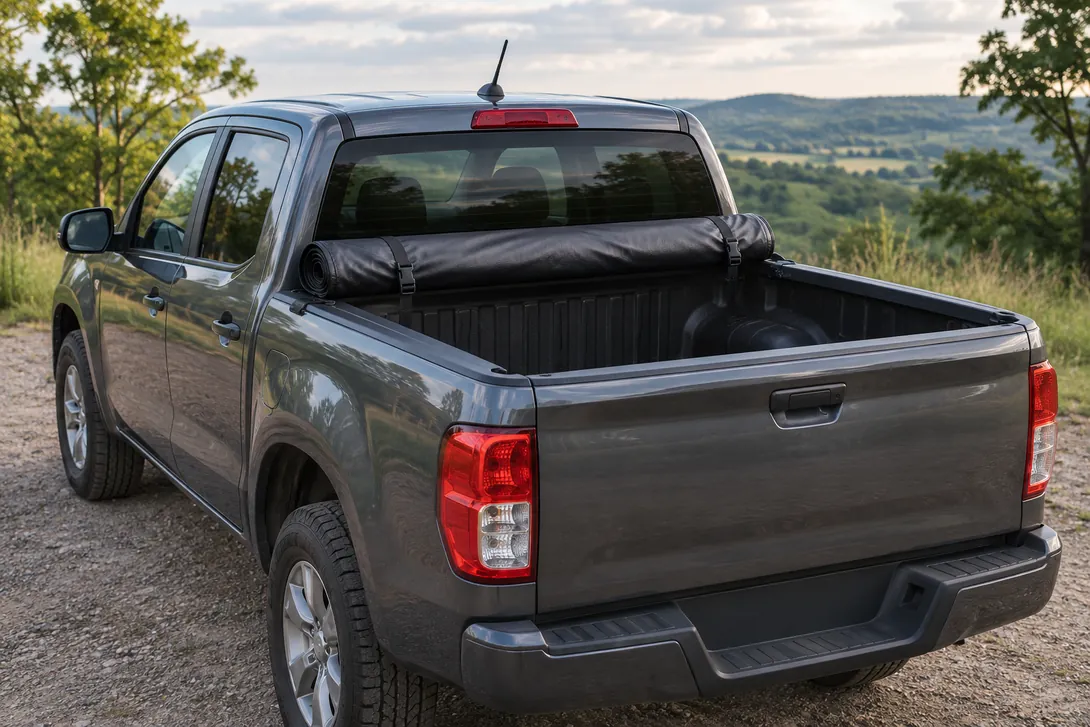
Use the tent maker's compatibility rule
Napier says certain hard or soft rolls can remain if tightly stored at the cab and under six inches high when rolled. It treats hard folding covers as an installation obstruction for its truck tents unless removed appropriately. These rules belong to the applicable Napier tent, and another maker may use a different frame.
Check more than the floor footprint
Identify the front pole path, sides where fabric drapes or straps, tailgate floor extension and any remaining rail brackets. A roll at the cab can make a gap between tent and truck even if the poles fit. Protect tent fabric where the tent maker directs and avoid relying on a cover panel to support sleepers.
| Component | Parked trial-pitch check |
|---|---|
| Rolled or folded cover | Stored height, loss of sleeping length and clearance at front poles. |
| Remaining rails | Width for pole assembly and contact between hardware and tent fabric. |
| Straps and tailgate | Approved anchoring route, clear door opening and access to the tailgate. |
| Wet weather | Gaps at the cab, drainage and where bedding will rest. |
Worked example
The rolled cover is short enough but the tent still needs a trial pitch
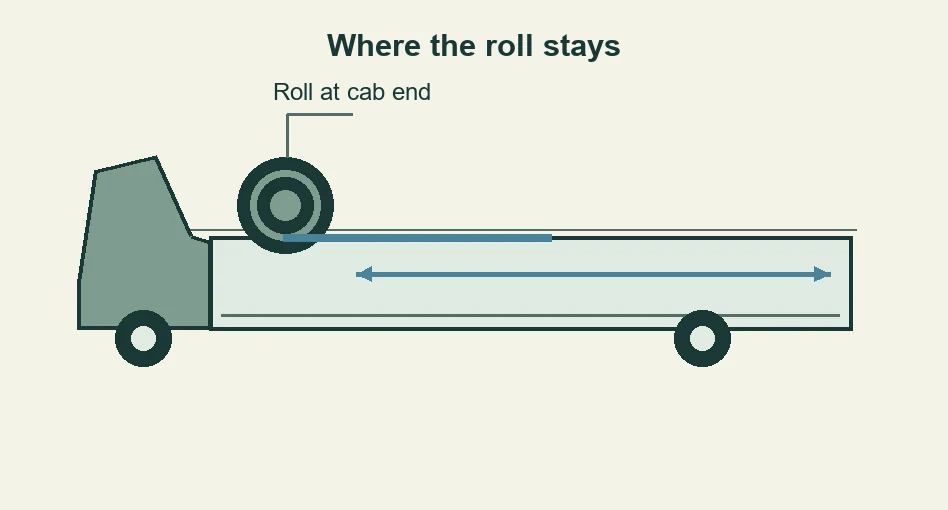
A camper measures a neatly secured cab-side roll at 5½ inches high and compares it with Napier’s under-six-inch guidance for compatible rolls. This clears one screening condition. With the truck parked on level ground, pitch the specific tent according to its instructions and check the front corners, pole placement, strap routes and cab-side gap.
Lay out the sleeping pad to see what length remains behind the roll. If a bracket distorts the fabric or the front is left exposed, send pictures and the cover model to the tent maker. A favorable roll measurement does not settle every tent and truck combination.
- Check the stored position
- Measure the roll as it must actually be secured, including buckles or bracket projections.
- Plan the morning conversion
- Allow space to pack the tent, replace any removed cover parts and verify closed latches before driving.
Choose the setup to trial at home
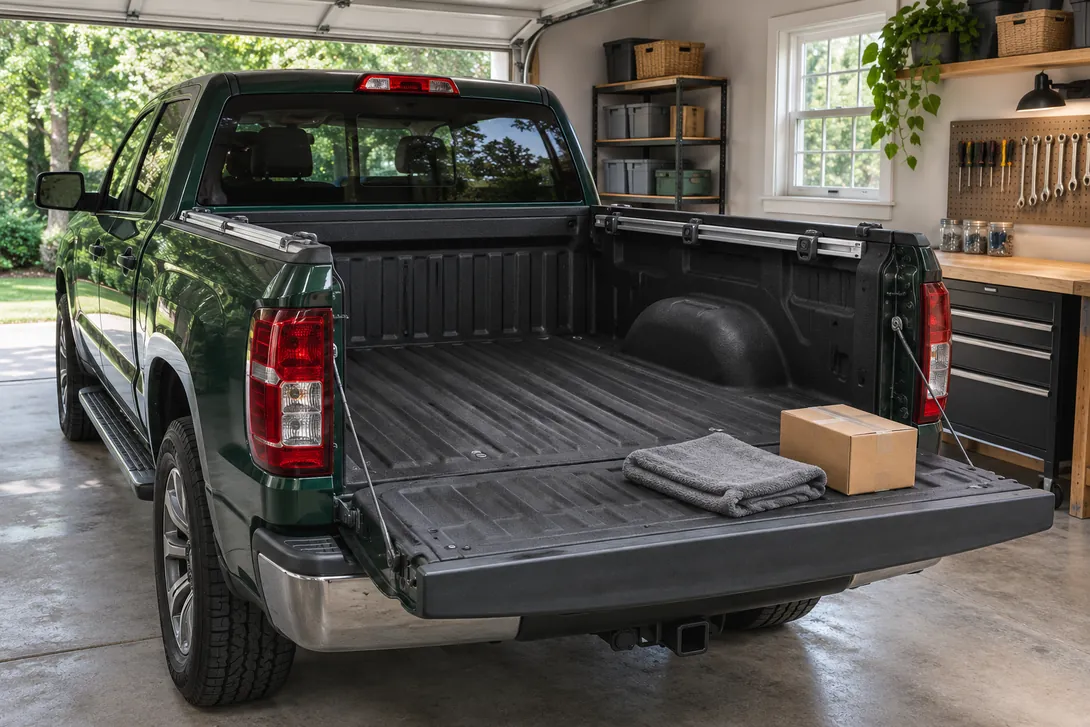
Pitch the tent on level ground before leaving for the campsite. Load sleeping gear after the frame is correctly seated. If a cover blocks the intended pole location, add removal and storage to your trip plan.
| Situation | What to check |
|---|---|
| A tight cab-side roll | Measure its stored height and check the specific tent maker's threshold and pole route. |
| A tall hard fold or hinged lid | Check whether complete removal is required and where the assembly will rest at camp. |
| A fixed canister or toolbox | Measure the remaining sleeping length and test front-corner fit. Ask the tent maker about the exact combination. |
Plan the return to driving condition
Take down and stow the tent as directed. Reinstall and secure any removed cover hardware, inspect both latches and retain your normal visibility before traveling. A good camp setup is one you can convert back without leaving an unsecured panel or loose bracket.