
Owner guides
Replace a Tonneau Cover, Its Skin or Just the Hardware?
Replace the failed assembly rather than the largest part that appears in search results. A worn skin, a damaged latch, a bent rail and a missing complete cover lead to different shopping lists and very different chances of reusing your old hardware.
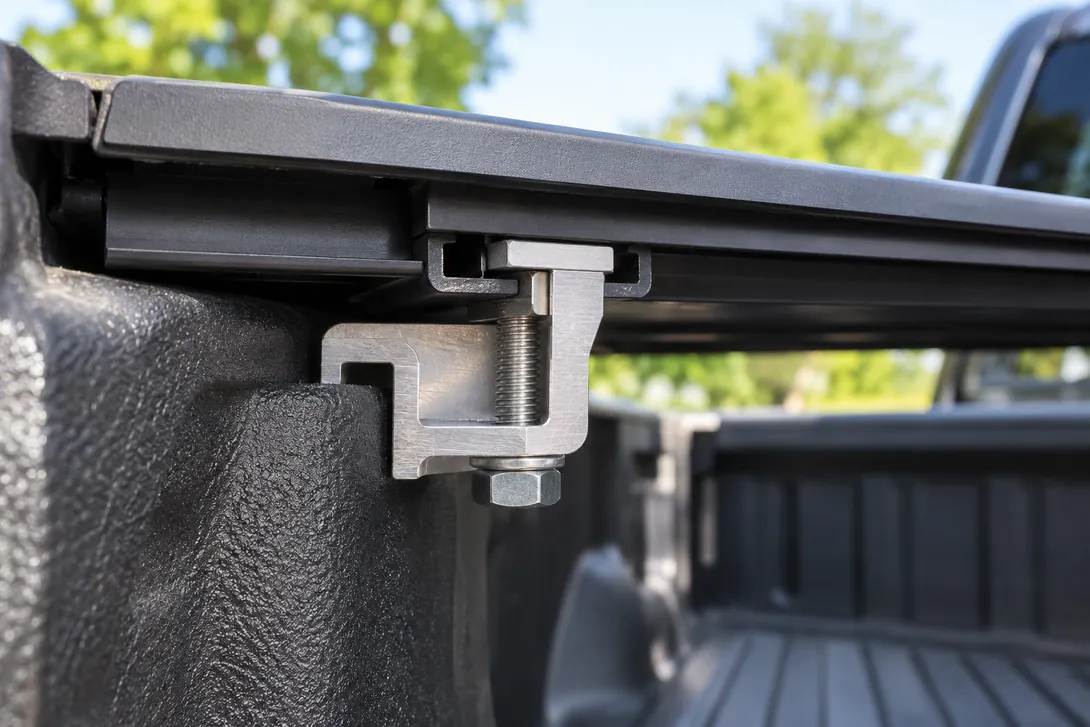
Identify what failed first
Read the series and part label. Photograph the damage, the adjacent good area and both rails. If one latch stopped engaging after a rail moved, a new latch alone may leave the original problem in place. If a vinyl skin is brittle across its whole width, a local patch offers little lasting benefit.
Compare the three repair scopes
Ask the maker for an exploded diagram and any superseded part numbers. A replacement skin may require original bows or a generation-specific attachment. A new cover kit may need its own rails even when the opening style is unchanged.
| Scope | What to confirm |
|---|---|
| Single part | Side, position, generation and the reason the part failed. |
| Skin or panel assembly | Compatibility with retained bows, hinges or rails and the supplied installation method. |
| Complete system | Everything included in the kit, removal of old rails and any new mounting or drain requirements. |
Worked example
A replacement latch would miss the same rail
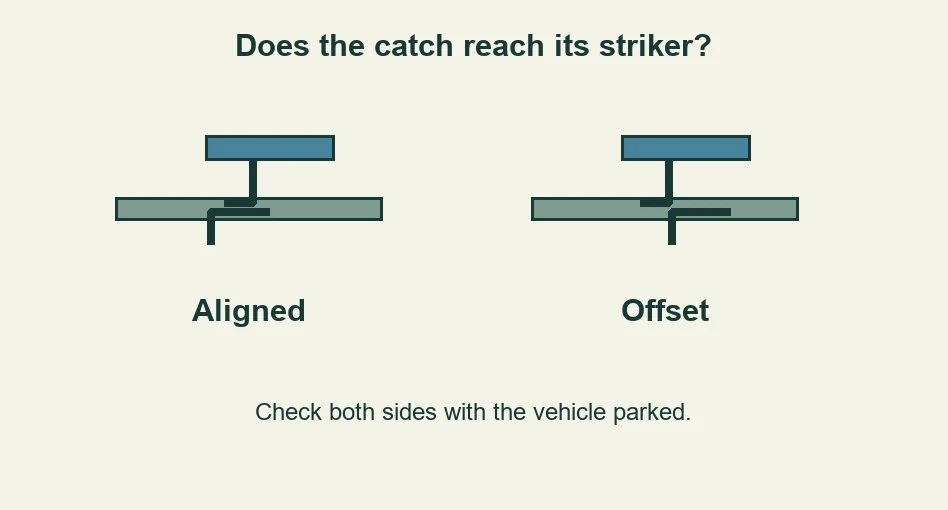
An owner orders a rear latch after the passenger side stops catching. In a wide picture taken from the tailgate, the rail on that side sits lower near the rear clamp than the rail on the other side. With the cover supported as directed, compare the installation measurements and look for a shifted clamp or damaged mounting face.
If the original geometry can be safely restored under the manual and the latch is intact, the replacement may solve nothing. If a cracked catch remains, request its diagram and part number. A distorted rail changes the quote again because the matching member needs attention too.
- Ask why the part failed
- A broken hook can be the result of a rail or striker sitting out of position.
- Get the complete quote
- Include any mating part, fastener, seal and delivery charge when pricing a repair.
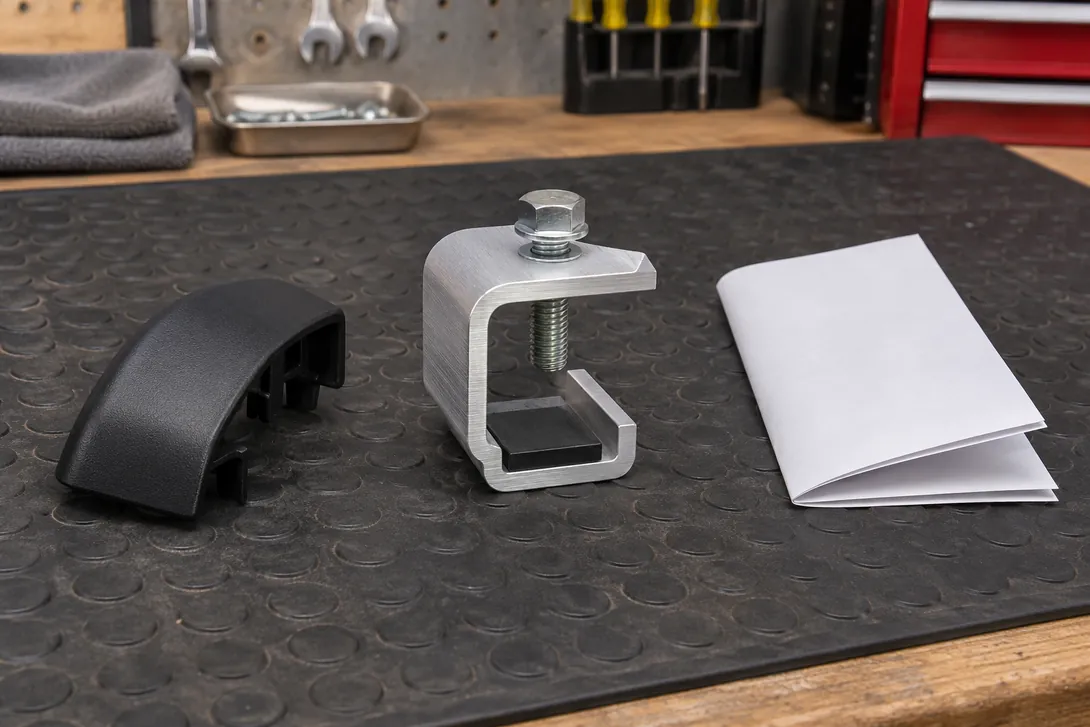
Decide which quote to request
Request a price that includes missing companion pieces, shipping and labor. Compare warranty coverage on a component repair with coverage on a complete replacement.
| Situation | What to check |
|---|---|
| The rails and cover are straight, one piece is broken | Get the exact replacement number and original diagram. Check neighboring hardware for damage before fitting it. |
| The skin is damaged but the frame is square | Ask whether the maker supplies a fitted skin for your series and generation. Include clear photos of the edge fastening system. |
| The rails are bent or the series cannot be identified | Price a complete matched kit and ask support to identify the old system. Do not mix rails on visual resemblance. |
Return the bed to usable condition
Allow time for adjustment and leak checks after an approved repair. Keep the invoice and part number with a photo of the finished installation. If the cover cannot be positively retained, use the manufacturer's removal or service route before driving.