
Model guide
Worksport NEXUS Tonneau Cover Guide
Worksport NEXUS is a hard folding cover aimed at drivers who raise the stack from one side of the truck. Its upright retention system is the most significant difference from the AL4.
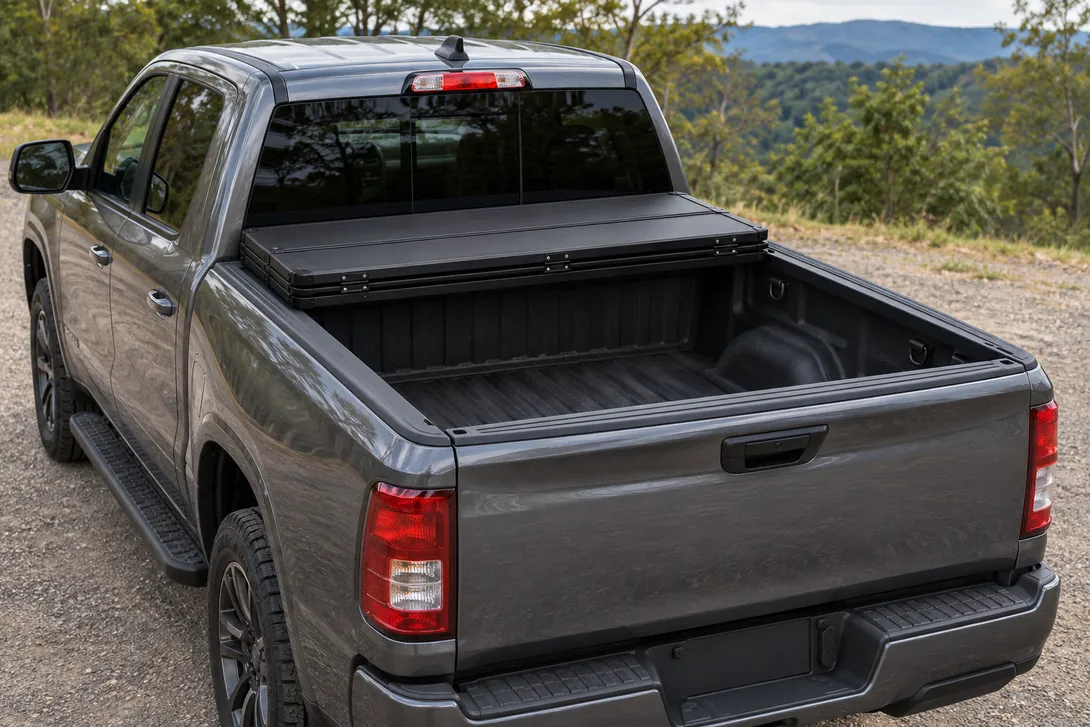
How NEXUS retains the raised stack
NEXUS uses an automatic locking flip-up arrangement in place of separate prop rods. Worksport describes a cab-clear upright position. Find the mechanism and the indicator or verification step in the fitting instructions before using the truck with the cover raised.
Check front-wall and rack interference
Select the vehicle and bed size in the NEXUS listing. Check whether tall front-wall storage, a back rack or rail-mounted lights occupy the panel’s arc. A correct vehicle application can still encounter an aftermarket accessory placed in the same space.
Worked example
Opening beside a narrow parking-space wall
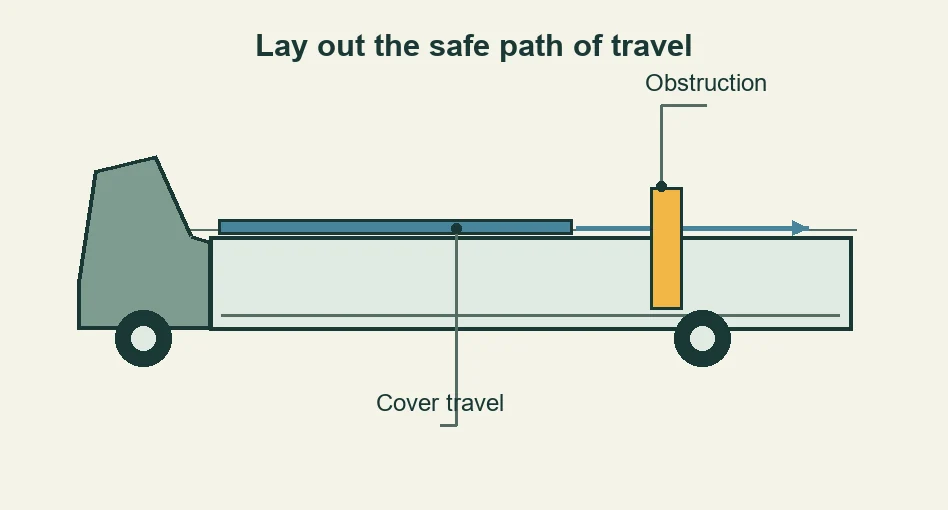
You usually park with the passenger side close to a garage wall. Before selecting NEXUS, test your actual approach with the truck parked outside and an empty bed. Stand on the accessible side, use the model’s documented opening sequence and keep your fingers away from moving joints.
Can you both verify the secure upright position and later close the cover from the space available? If so, mark where front cargo must stop. If a rack or tall bin prevents an upright stack from seating, automatic movement does not solve that obstruction. Change the layout before relying on one-sided operation.
- Inspect the resting position
- A load must not press a panel into the cab glass.
- Check the reverse movement
- A clear opening path does not guarantee enough room to reach controls when closing.
Test the one-sided loading routine
Stand where you will use the truck, for example beside a narrow driveway wall. Think through whether you can release, raise, verify and lower the stack from that side when the bed is full. That is the advantage to evaluate against a rod-supported design.
- Measure or identify: Space for panel travel and checking the upright latch.
- Decision check: Verify the operating side stays accessible where you normally park.
| Situation or option | What matters | What to check |
|---|---|---|
| Bed filled to rail height | Upright stack needs clearance | Trace the front section past the cargo |
| Limited side access | One-sided operation is useful | Make sure you can verify the retention mechanism |
Compare automatic retention with AL4 rods
Compare AL4 if handling its separate supports is easy for you. For access mostly from the tailgate, an AL3 may serve without upright hardware. If the automatic latch fails to secure, consult the NEXUS instructions before returning the truck to use.