
Accessories
Tonneau Cover Latches and Replacement Parts
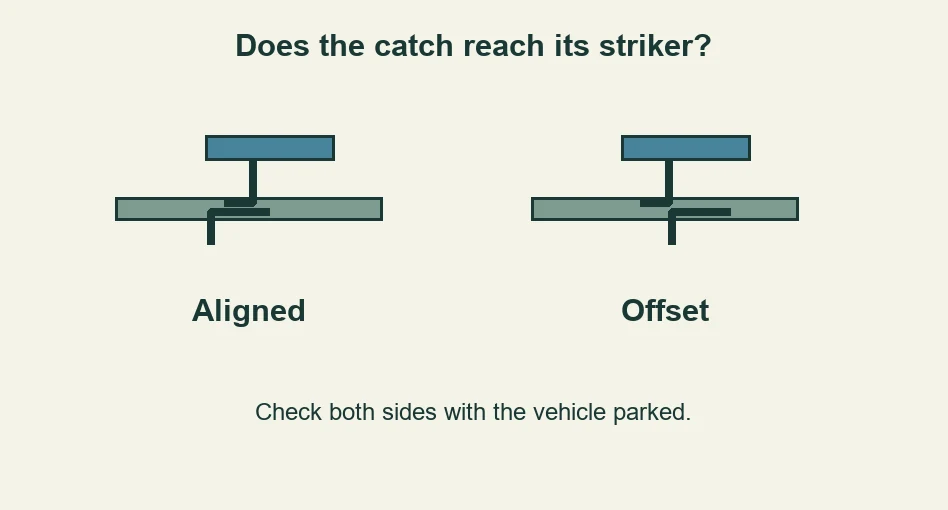
A latch needs both a moving catch and a properly positioned mating surface. If the rail has shifted, a new latch can miss the same place as the old one. Begin by identifying which side fails and what changed before the symptom appeared.
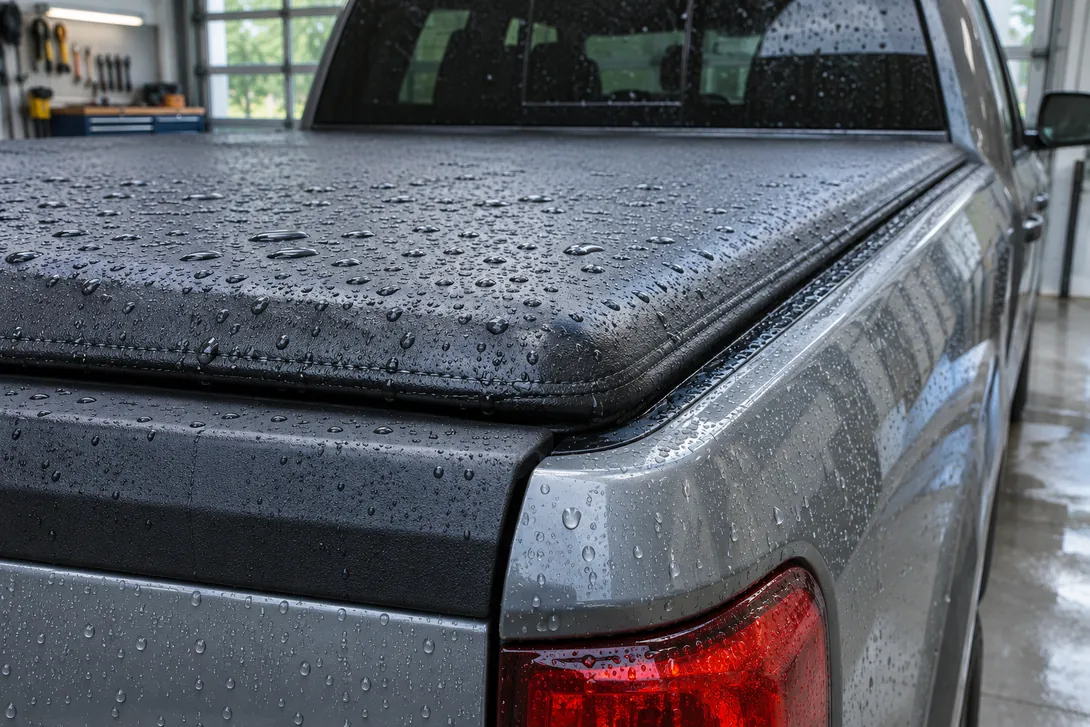
Watch the catch with the truck parked
Compare the left and right sides as the cover approaches its specified closed position. Check for trapped cargo, a rolled seal, loose mounting hardware or a damaged linkage. Keep fingers clear of moving parts and stop if the cover needs to be forced.
Identify the mechanism by function
A cable can release two catches, while some soft folds have separate hand-operated clamps. A key cylinder belongs to another part of the mechanism. The Gator Tacoma parts drawing illustrates why an application-specific diagram matters even inside one cover brand.
| Observation | What to inspect |
|---|---|
| One side latches | Rail spacing and height, receiver position and condition of that catch. |
| Neither side latches | Closing sequence, rear panel seating and shared release hardware. |
| Release feels loose | Cable attachment, linkage and the correct assembly drawing. |
| Problem started after seal work | Whether extra material prevents the panel reaching its operating position. |
Worked example
Only the driver-side catch misses after seal replacement
A folding cover closed correctly until a new rear seal went on. Now the passenger side clicks and the driver side sits slightly high. With the truck parked, inspect whether the new seal is twisted or overlapped at the high corner.
Compare the two rail positions and the prescribed closing sequence before touching a latch adjuster. If seating the correct seal properly restores the normal panel position, cycle both sides several times under the manual’s procedure. If a cracked housing or damaged cable remains, identify the model-specific replacement and have its mate inspected. Do not drive with one corner partially engaged.
- Start with the last change
- A latch fault immediately after weather stripping work can be a panel-height issue.
- Check the resting cable
- A partly pulled release can prevent engagement even with intact hook and striker faces.
Choose adjustment or replacement
Only adjust a receiver through the range and procedure the manual gives. Where a spring, hook or mounting point is cracked or missing, identify the approved replacement. Use the part's side and orientation as well as its appearance.
| Situation | What to check |
|---|---|
| Everything is intact but the rails were moved | Restore the prescribed rail alignment and retest both sides before altering the latch. |
| A catch, cable or housing is visibly broken | Find the exact part number and ask which mating pieces need inspection or replacement. |
| The cover cannot be positively secured | Use the manufacturer's safe removal or service route. Do not drive relying on a partly engaged panel. |
Verify repeatable closure
After an approved repair, cycle the cover through normal opening and closing several times while parked. Confirm both sides and tailgate operate correctly each time and that no cable remains under tension when it should release.