
Accessories
Tonneau Cover Locks and Replacement Lock Kits
A lost key, a seized cylinder and a cover that will not latch require different parts. The cylinder accepts the key. The handle and linkage move rods or latches. The rails or strikers are the surfaces the mechanism engages. Identify which function failed before ordering a lock kit.
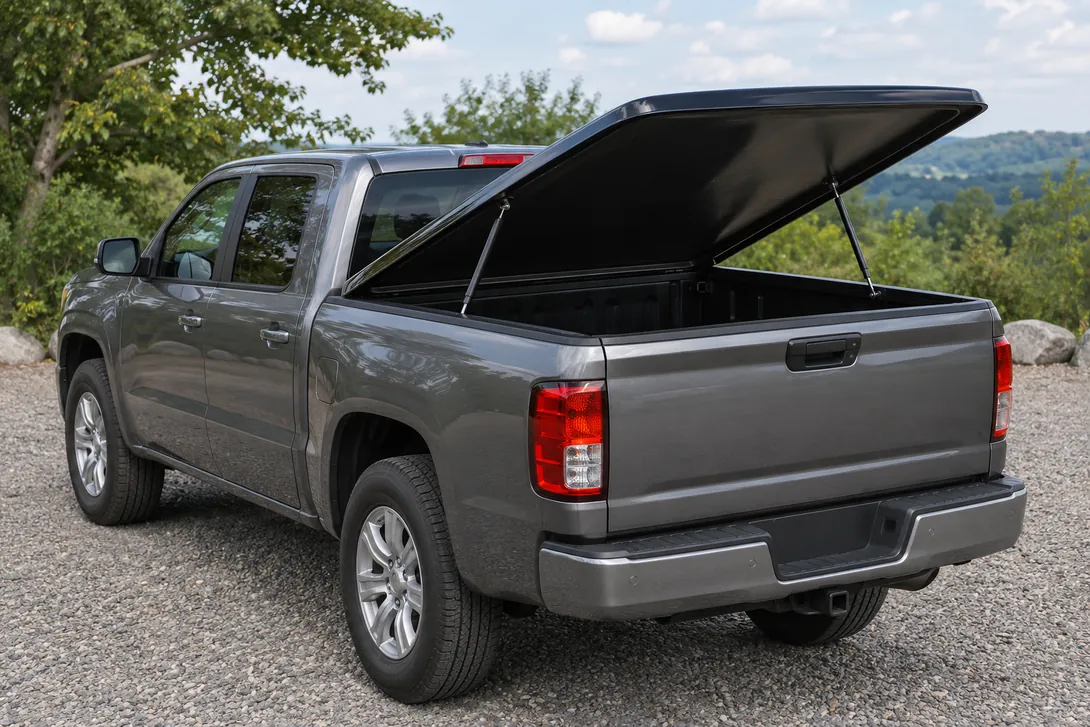
Observe the symptom during normal operation
With authorized access and the vehicle parked, note whether the correct key turns normally, whether the handle moves, and whether both sides latch when the cover reaches its intended closed position. If you cannot open your own cover normally, use manufacturer support or an authorized locksmith. Have the ownership and model details available.
Match the whole assembly
A lock cylinder can have a similar outside diameter to another while differing at the rear cam, mounting plate or key family. The correct parts diagram may show a replaceable cylinder, a complete handle or a larger latch-and-lock assembly.
| Symptom | Likely information to collect |
|---|---|
| Lost or damaged key | Key code if available, cover model and proof of ownership for authorized support. |
| Key operates but cover stays loose | Which side engages, rail alignment, handle travel and visible hardware condition. |
| Damaged handle or cylinder | Photos of the installed assembly, part label and correct diagram callout. |
| After a rail adjustment | Closure position and striker alignment on both sides. |
Worked example
The key works but one rear corner lifts
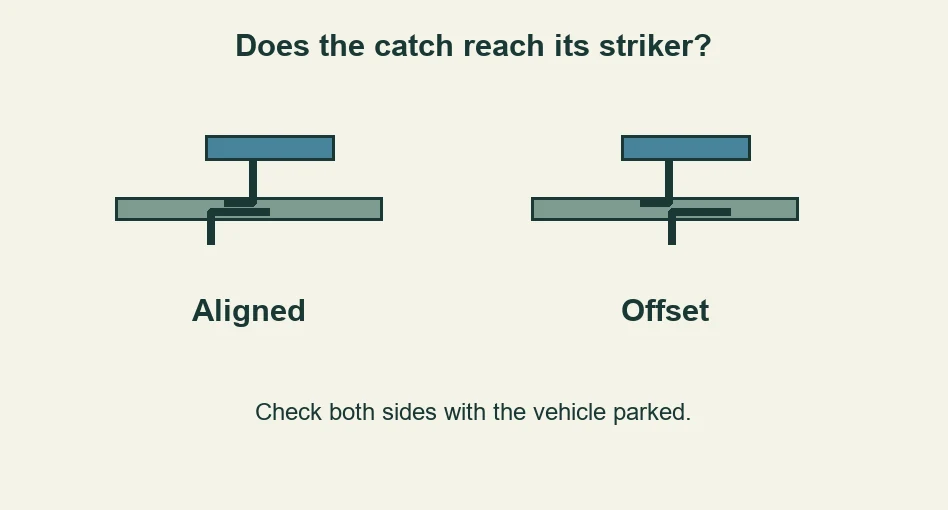
A hard lid owner can turn the key normally, yet one rear corner does not hold when the cover is shut. With authorized access and the truck parked, compare both sides as the lid settles into its documented closed position. Look for a moved rail, misaligned striker or linkage that fails to reach its normal position.
Record the series and take photos for the authorized support desk. A replacement key cylinder is unlikely to correct a single side missing its catch. If a new handle or latch assembly is recommended, confirm which parts are included and verify both sides after the repair.
- Keep key codes private
- Provide a code only to the manufacturer or authorized dealer handling the replacement request.
- Record recent changes
- A new seal or changed bracket can affect where the lid sits even when the lock itself works.
Choose a replacement path
LEER or A.R.E. dealer support can help identify hard-lid hardware, while a retractable maker's illustration identifies a different handle arrangement. Describe the mechanism and series before relying on a universal lock listing.
| Situation | What to check |
|---|---|
| A spare key | Ask the maker or an authorized dealer how to obtain one using the documented key or lock code. |
| A new handle | Confirm whether the cylinder, rods, gaskets and fasteners are included or reused by design. |
| A latch that will not catch | Inspect rail position and the matching receiving component before replacing the key cylinder. |
Verify the repair from both sides
Close and lock the repaired cover in the correct sequence, then verify both sides engage normally and the tailgate functions. Secure any retained key-code record privately for future service.