
Cover styles
Locking Tonneau Covers and Tailgate Security
A locking system has three interfaces to inspect. The panels or slats connect to the rails, the rails attach to the truck, and the tailgate or a separate key controls access to the release. A weakness at any one interface changes what the word locking delivers.
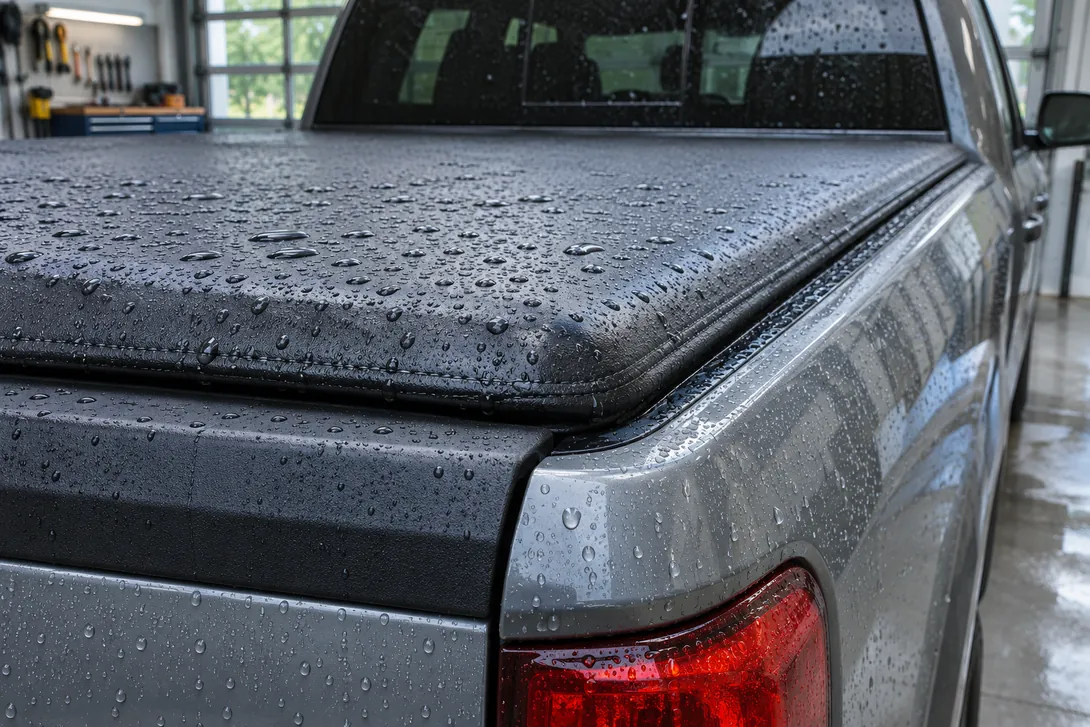
Find the release while the gate is open
With the vehicle parked, identify the handles, cables, rods or key cylinder. Close the cover according to the manufacturer's sequence and see what the closed tailgate conceals. Compare that with a keyed retractable handle or an independently keyed hinged lid.
Compare the security functions separately
Rigid panels and slats resist some access better than a flexible skin, but the cover's attachment and tailgate still matter. An interior box anchored to the bed offers a separate layer for compact valuables.
| Mechanism | Question for the actual model |
|---|---|
| Tailgate-dependent latch | Does the truck tailgate lock, and is the release protected with it shut? |
| Keyed cover handle | What does the key secure and which position is required? |
| Intermediate lock | Is retention documented at the partial opening and is travel there permitted? |
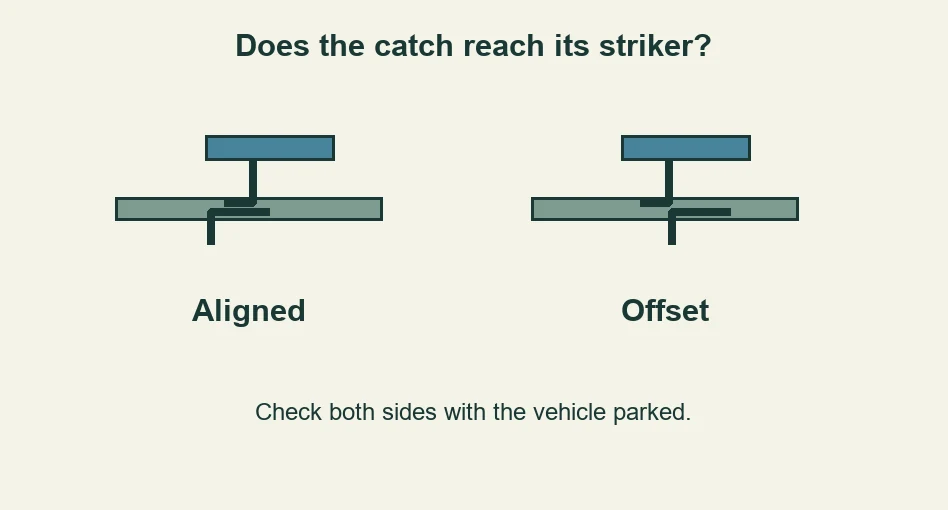
| Rail attachment | Do both sides engage along the intended length when the cover closes? |
Worked example
A lockable cover on a truck with a faulty tailgate lock
A used pickup comes with a nice rigid tonneau and a tailgate that no longer locks. With the vehicle parked and using normal authorized operation, open the gate and identify whether the cover release is normally exposed there. If the cover relies on the locked tailgate to shield that release, buying a new cover of the same design would leave the original weakness.
Repair or restore the truck’s documented locking function, or compare covers with independently documented locking behavior. Afterward verify normal engagement on both sides. A small locking chest can offer a separate place for high-value tools even when cargo is already concealed.
- Keep states distinct
- Closed, latched and locked are three observations that can differ on the same truck.
- Inspect after rail work
- A latch that misses its rail cannot deliver the intended closure even with a functioning lock.
Choose the security problem you have
Weather concealment, keeping a panel positively latched and resisting theft are different jobs. Choose the one that defines your decision and check the rest before purchasing.
| Situation | What to check |
|---|---|
| My tailgate has no functional lock | Repair the tailgate lock or consider a system with documented independent locking. Verify the entire enclosure after the change. |
| I need to stop partly open | Look for explicit position and operating instructions, such as those on a manual retractable. Compare parked and driving use separately. |
| My current cover no longer latches | Identify the exact side and assembly. Inspect alignment and the correct replacement before buying a new cover. |
Check your closing routine
Keep the key or emergency access method documented and separate from the locked cargo. Test normal locking from both sides while parked. A cover left slightly ajar can look closed even when its latch has missed the rail.