
Cover styles
Low-Profile Tonneau Covers and Bed-Rail Height
Low profile describes how a cover sits relative to the bed rails. It tells you little about the width between the installed rails or the depth of hardware underneath. Decide whether your constraint is appearance, cargo clearance or a rack mount before comparing heights.
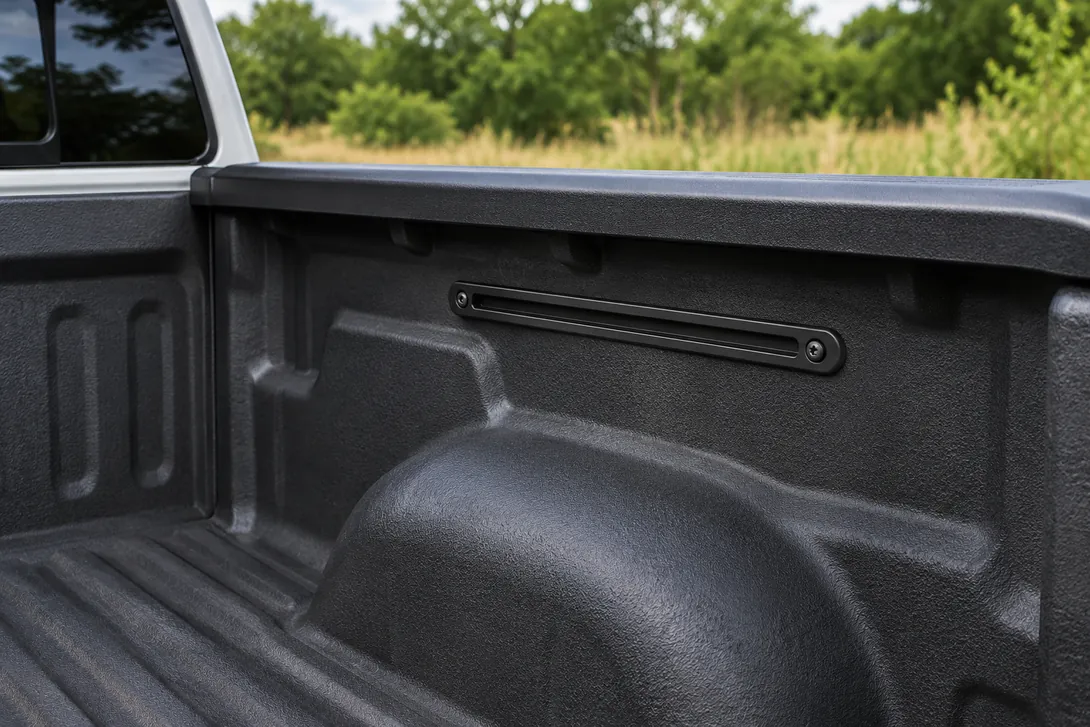
Use the same reference plane
Lay a straightedge across the rail caps while parked. Measure up to the highest part of the cover, down to the lowest latch and across the narrowest gap between the mounted rails. Check near the tailgate and the cab. A photo taken from just above the bed can hide a raised rail.
Check a documented example
TruXedo describes Lo Pro as sitting about three-quarters of an inch above the bed rails. That dimension belongs to its stated design and reference surface. A flush-looking hard fold can have a different underside and leave different stake-pocket access.
| Dimension | What it affects |
|---|---|
| Height above the caps | Appearance and projecting rack feet. |
| Width inside the rails | Wide crates and inside-mounted accessories. |
| Lowest hinge or release | Headroom above a chest or tool handle. |
| Rail-top footprint | Available mounting area for approved rack bases. |
Worked example
A flush-looking cover blocks a wide storage tray
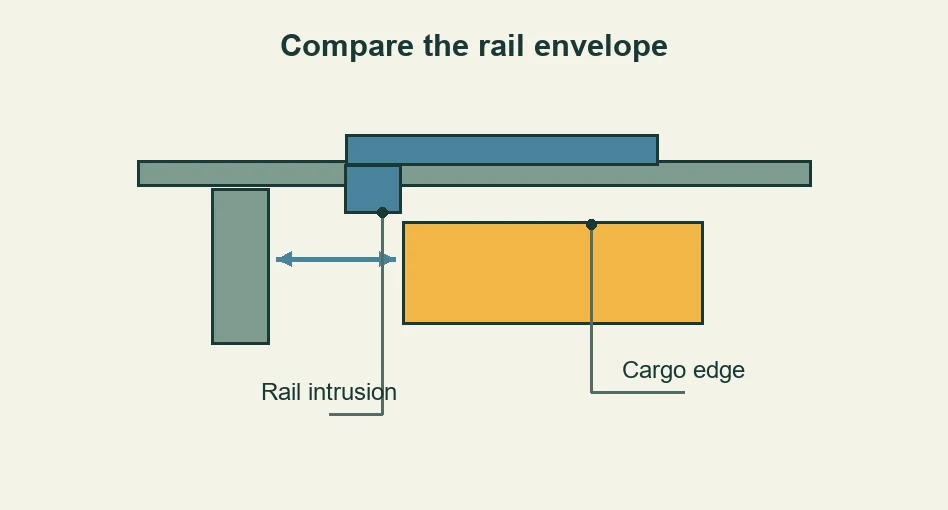
A buyer chooses a low-profile cover for a clean appearance and expects an existing slide-in tray to fit underneath. Compare the tray width at the height of its handles against the proposed inside-mounted rails. Then hold a straightedge across the truck’s rail caps to compare actual protrusion above them.
The cover can sit close to the caps and still take usable width from both sides of the bed. If the tray has no lateral clearance, check a different mounting style or a narrower tray. A lower silhouette does not compensate for having to remove a loaded organizer on every trip.
- Measure protrusions on the load
- Handles and hinges may project beyond a tray’s advertised body width.
- Check the reference cap
- Raised plastic caps or factory rails can change the plane used in a profile measurement.
Pick your deciding measurement
The best-looking installation can still be difficult to use. Look at the actual load at its widest point and the path that moving parts take when you open the cover.
| Situation | What to check |
|---|---|
| For a clean side profile | Ask how the published protrusion was measured and whether your raised caps or factory rails change the reference point. |
| To keep my rack | Check the approved adapter and the space occupied by the foot. Verify the cover opens past the installed rack. |
| To carry wide cargo | Measure between the side rails at cargo height. An inside mount can reduce that width even if the cover looks flush. |
Record form and function together
Compare application-specific listings and keep measurements with the part numbers. If the lowest cover forces you to remove a rack or unload tools on every trip, a slightly higher design can be more practical.