Tonneau Atlas

Roll-Up vs. Tri-Fold Tonneau Covers

Start with a roll-up if you often load tall cargo near the cab. A flat-folding tri-fold makes sense if you mostly reach in from the tailgate and can spare the front section. A fold that stands upright can give that space back, if your rack and rear sightline allow it.

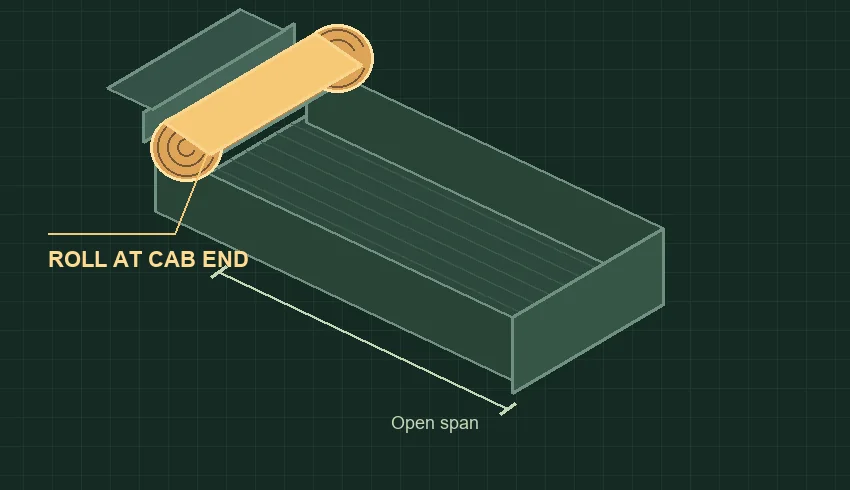
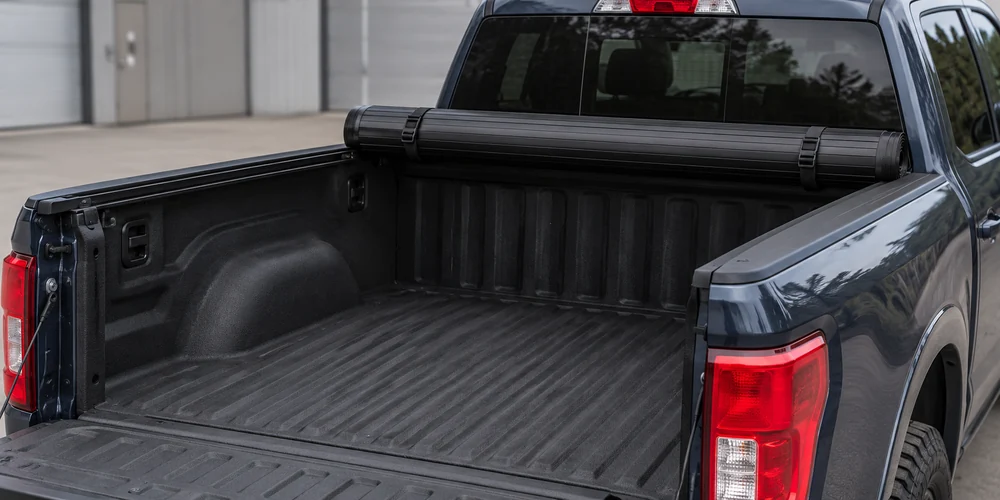
Roll-up

A cover stored as a short roll at the cab end, leaving a long rear opening.

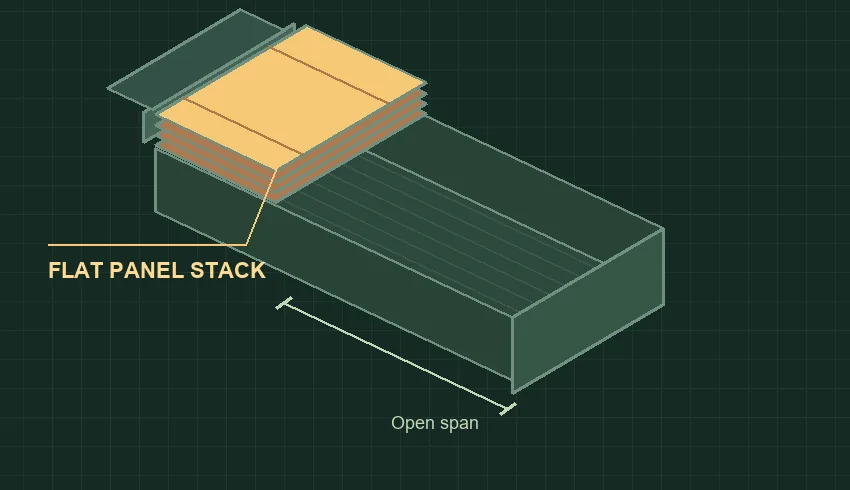
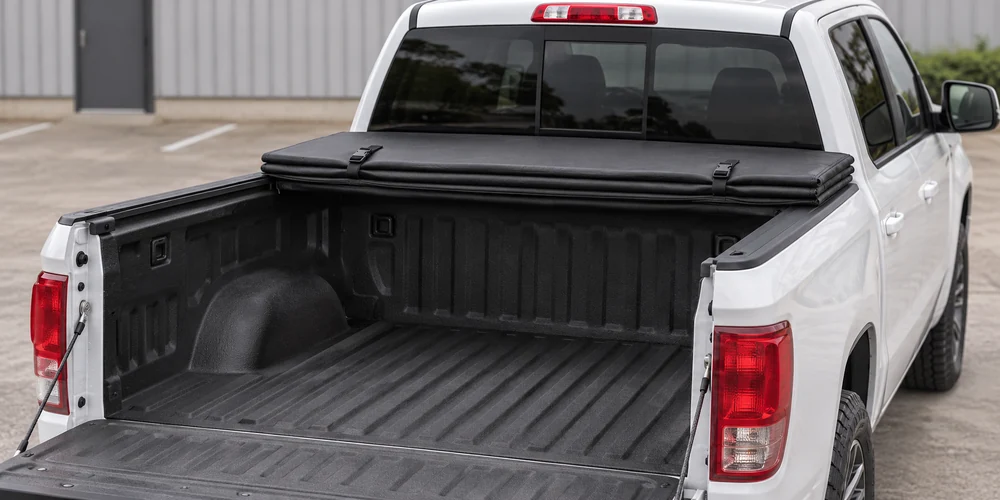
Tri-fold, parked flat

Three panels stacked flat at the cab end, leaving a shorter overhead opening.
Same bed, different space taken up at the front. Illustrations show typical open positions.

Choose the opening first. Then choose soft or hard.

Imagine your hardest ordinary trip. A cooler by the tailgate, a tall cabinet near the cab, and tools left out of sight all favor different setups.

Tall loads most weeks

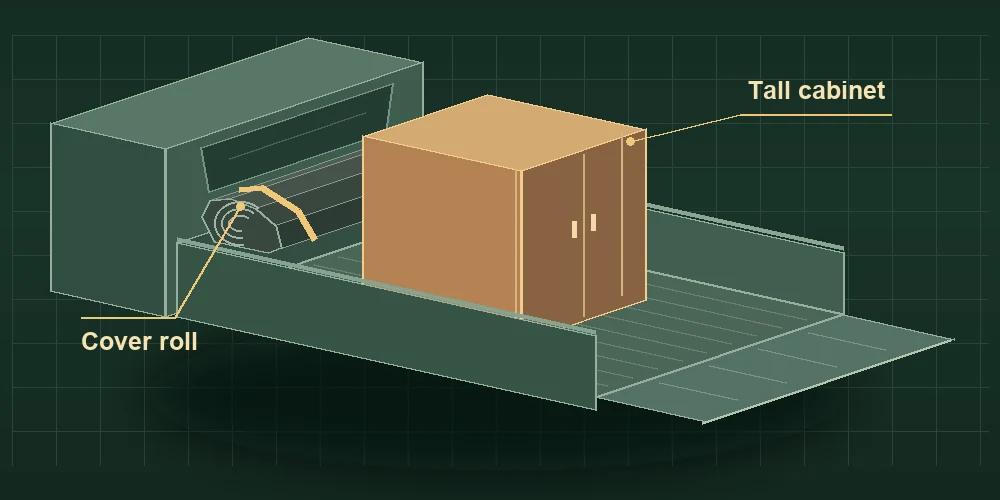
A tall cabinet occupies the open bed behind a cover rolled up at the cab.
A roll at the cab can leave room for a tall cabinet.

Start with a roll-up. If you also want a rigid top, compare a hard roll-up with an upright hard folder. Measure the rolled bundle or folded stack at the height of the load, and check what a rack crossbar does to the opening path.

Try the tall-load example

Groceries and bags near the gate

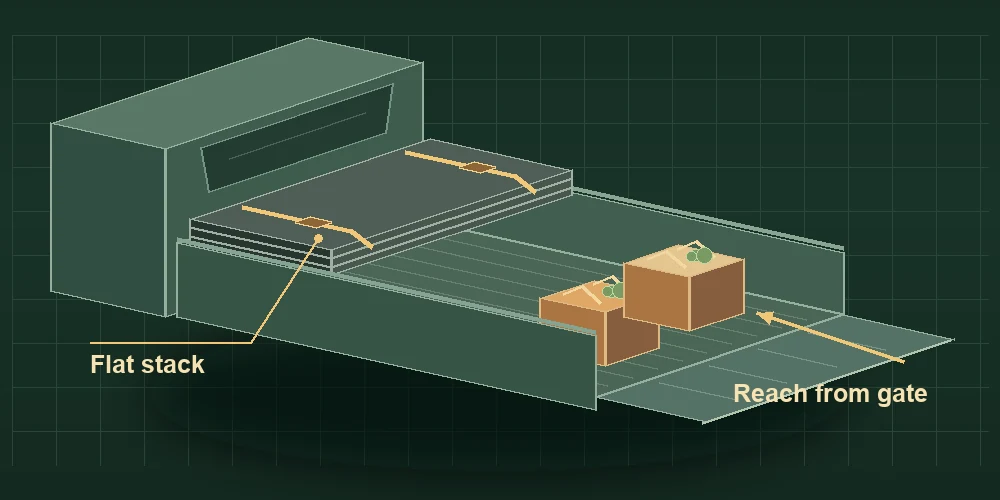
Two grocery bags sit near the lowered tailgate while the folded cover rests flat at the cab.
The fold leaves groceries within reach of the tailgate.

A soft tri-fold gives quick access to the rear section. If the occasional bulky load needs the whole length, check whether the frame comes off without tools and where you can store it. If you reach the front of the bed every day, also try a soft roll-up.

Try the tailgate example

Tools out of sight overnight

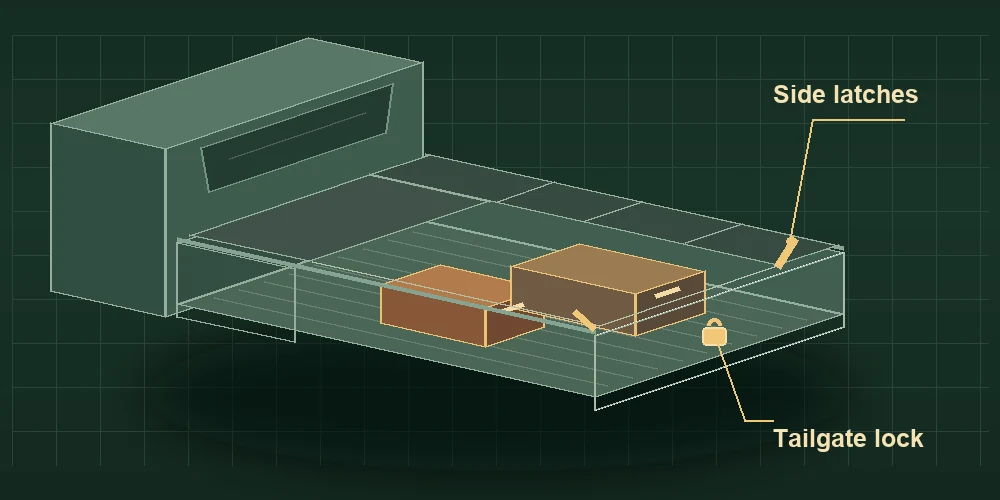
A cutaway of a closed cover reveals tool cases and shows the tailgate and side latch positions.
Cutaway showing where the cover and tailgate secure.

Compare rigid slats with rigid panels, then check how the tailgate and both sides of the cover secure. A hard cover makes opportunistic access harder. Carry valuable tools out of the bed when you can, even with the tailgate locked.

Compare security and rain protection

Cargo clearance

Will your load fit with the cover open?

Compare on the same bed. Use the load’s front-to-back footprint at bed-rail height, including anything that protrudes farther above it. Enter how much space each cover takes up at the cab end in the position you intend to use.

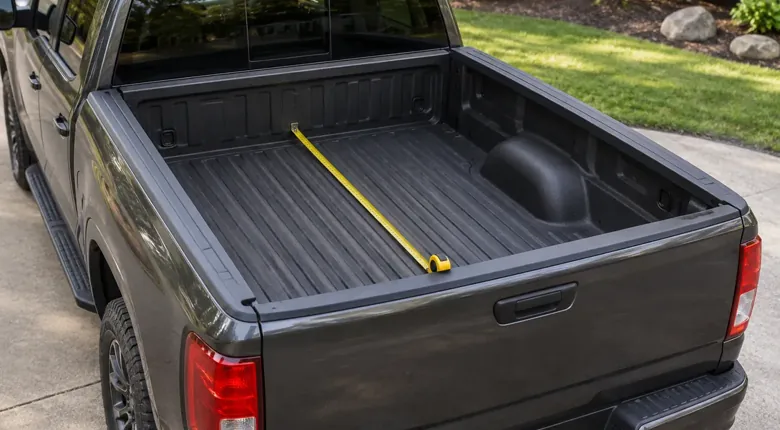
Tape extended lengthwise inside an empty pickup bed.
Illustration of a bed-length measurement. Measure between inside faces with the tailgate closed. For tall cargo, measure again at cargo height.

One cabinet, two different outcomes

A cabinet needs 52 in of clear front-to-back space in a 66 in bed. An illustrative 8 in roll leaves 58 in, so the cabinet has 6 in left in this length check. A 22 in flat stack leaves 44 in, making the flat-folded position 8 in too short.

A 20 in cooler clears both lengths. A 65 in crate clears neither in those two positions. An approved upright position can change the result. Check whether the stack can swing up past your rack and whether the load can pass through the loading path before deciding.

Estimate for a rectangular load, straight in, with the tailgate closed. Also check usable width, wheel wells, tying down the load and the maker’s permitted driving positions. If the entire load sits below the lowest part of the parked cover, measure the opening at that lower height.

Four ways to cover the same truck bed

Roll and fold describe how the cover moves. Soft and hard describe what covers the cargo. Compare the same material across both opening styles first.

Typical configurations. Check the exact kit for its opening, hardware and travel positions.
What changesSoft roll-upSoft tri-foldHard roll-upHard tri-fold
Open spaceFlexible top rolls near the cab. The roll and side rails stay on the bed.Fabric over a frame parks in a flat stack. Loading the tall front section can mean taking off the assembly.Connected slats form a roll. Check its diameter and where the straps sit.Some stack flat. Others add an approved upright position. Check rear-glass and rack clearance.
Daily useRelease, roll and strap. Seat the side edges as directed when closing.Release the rear clamps on many designs and lift the first panel. A fast way to reach the rear when parked.Release the latch and guide the heavier roll. Check both rails engage when closed.Lift panels individually. Secure the flat stack or upright supports as directed before driving.
Install and removeTypically uses separate clamp-on side rails. Check squareness, tension and tailgate sealing.Some arrive as a framed assembly that clamps directly to the bed. Confirm the front clamp can clear your liner.Rail spacing matters for the latches to engage. Removing the roll can leave rails attached.Check mounting rails, latch adjustment and any drain routing. Ask what stays on the truck after removal.
Closed protectionConceals cargo. Inspect side-edge closure, tension and end seals.Conceals cargo. Inspect corner compression and the perimeter seal.Rigid slats resist casual access better than fabric. Check how the slats engage both rails.Rigid panels resist casual access. Check hinge seals, latches and drain channels where fitted.
Cost to comparePrice the full rail kit, any required pads and replacement fabric availability.Compare the complete framed kit and availability of replacement clamps.Compare standard and rack-ready rails on the same truck before paying for an upgrade.Price the desired open position and any install or drain work. A flat-only folder may cost less than an upright-capable model.

Rain, theft and how the tailgate closes

Follow the likely water path

Start at the front corners, rail joints and gaps around the tailgate. A soft roll-up adds side-edge tension to that checklist. A folder adds hinge joints. Some hard covers route water into drain channels. Weather resistance depends on the seal and install as much as the opening style. For luggage and electronics that must stay dry, pack them inside a separate dry container.

Check the whole lock path

With the truck parked, close the cover and lock the tailgate. Check whether the release is physically covered and both sides are engaged. A tailgate lock can protect an inside release. A rigid surface adds a barrier against cutting through fabric. Take valuables out at your destination.

Try the gate in the order you use it

If you drop the gate several times a day, ask which order the exact kit requires. RealTruck’s EFX and MX4 comparison documents a specific example: shut the tailgate first for the EFX flap seal, while the compared MX4 dual-action seal permits independent tailgate operation. Verify your revision and truck.

Manufacturer’s EFX and MX4 comparison ↗
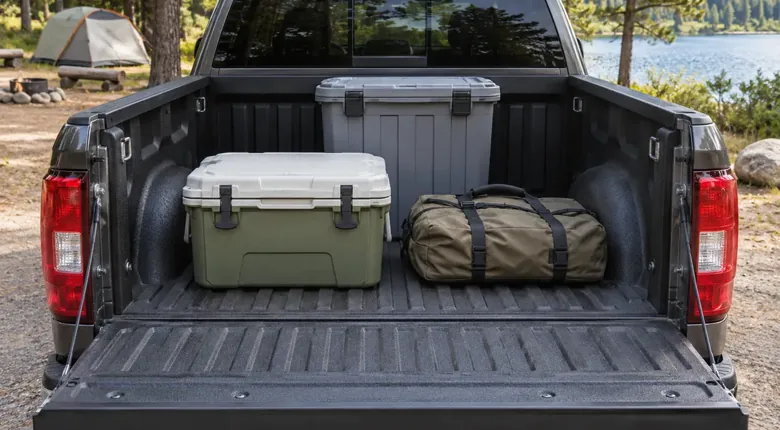
A cooler and soft bags laid out near the open tailgate.
Illustrated packing example. Short bags by the gate are easier to reach under either mechanism. Try your own packing order to find where access matters.

Use these models to check the differences

Compare current kits for the same truck and bed. These examples come from manufacturer documents. Features can change across revisions and fitments.

Soft roll-up

TruXedo TruXport

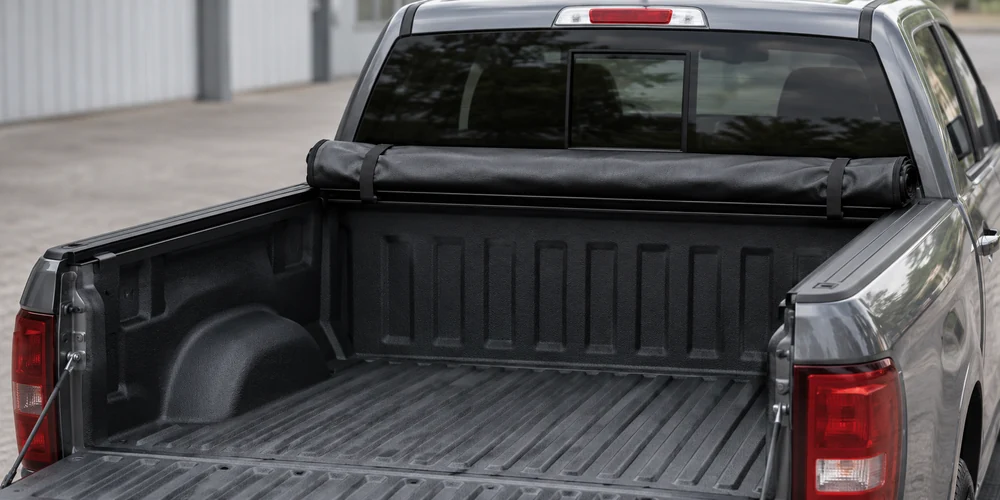
TruXedo TruXport soft vinyl cover rolled up behind the truck cab.
The vinyl rolls into a compact bundle behind the cab.

The 215001 kit shows the vinyl surface, rail-mounted roll-up and two rear paddle latches. TruXport instructions vary by kit. If you open from one side regularly, confirm the release arrangement before ordering.

Buy On Amazon

Soft tri-fold

Extang Trifecta 2.0

Extang Trifecta 2.0 with its soft folding frame stacked flat over the front of the truck bed.
The flat-folded frame covers the front section of the bed.

The soft top rides on a folding frame. The rear clamps let you fold it for partial access, and the front clamps can release the assembly for removal. Its instructions specify using both buckles when driven fully folded.

Buy On Amazon

Hard roll-up

BAK Revolver X4s

BAK Revolver X4s hard roll-up stored across the front of an open truck bed.
The hard cover rolls toward the cab, leaving the rear open.

The aluminum slats roll with the top and engage locking rails when closed. BAK’s standard Revolver instructions call for rolling all the way forward and securing both clips for driving open.

Buy On Amazon

Hard folding

Gator EFX vs. BAKFlip MX4

The EFX illustrates a flat-stacking design that can release for removal. The MX4 Gen 3 is an example of a hard folder with an additional upright position supported by prop rods. Confirm the panel layout and revision for your bed.

Gator EFX

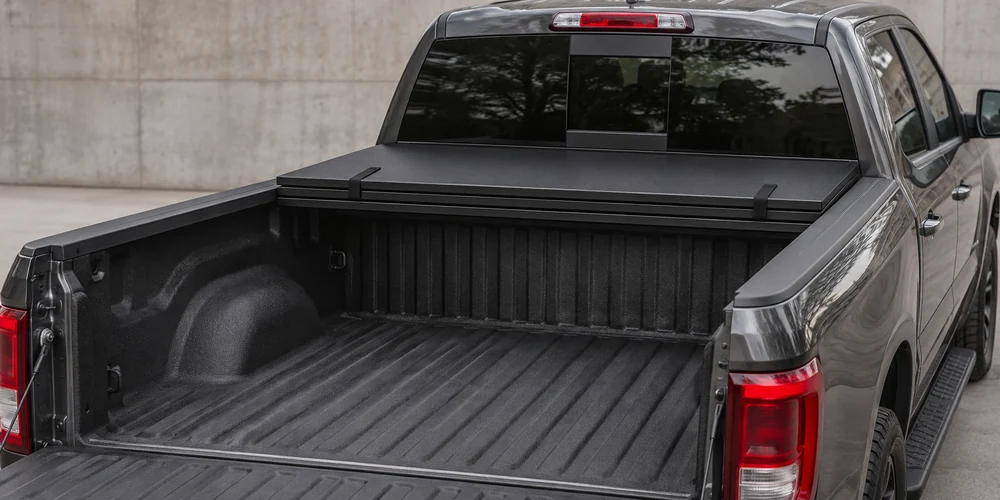
Gator EFX with rigid panels stacked horizontally at the front of the truck bed.
Rigid panels stack horizontally at the front.
Buy On Amazon

BAKFlip MX4 Gen 3

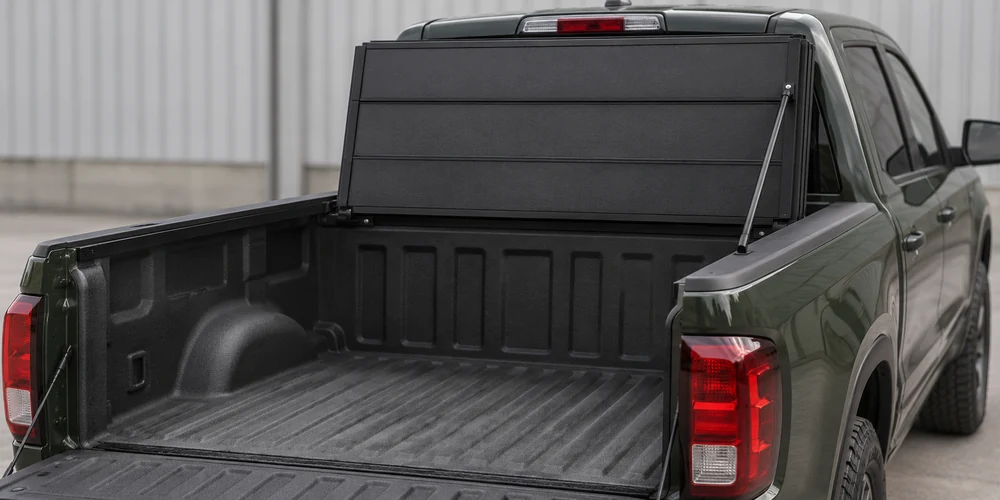
BAKFlip MX4 Gen 3 panels held upright with a support rod visible beside the bed rail.
A visible support rod holds the panels upright.
Buy On Amazon

Amazon buttons open searches. Check the seller’s exact application and included hardware before ordering.

What to check before you place the order

  1. Match the truck. Record year, make, model, measured inside bed length and factory equipment such as cargo tracks, storage boxes or a multifunction tailgate. See the bed-measuring guide.
  2. Match the load path. Ask for the roll or stack footprint once secured. Measure the narrowest point between rails, wheel wells and rack feet. Check where the straps, props or latches sit.
  3. Match the open position to the manual. Find the manufacturer’s instructions for the exact part number, including how the tailgate closes, whether a folded or rolled position is approved while driving, and how to remove and reinstall the top.
  4. Compare the delivered setup. Include required rack adapters, hardware, install labor, tax and return shipping. Confirm you can order replacement seals, straps or clamps for that kit.

Two incompatibilities a bed-length filter can miss

A liner or rail caps can obstruct a clamp. A kit may list your model year and bed length and still require access beneath the bedside lip. Compare one photo of your truck’s inside rail with the installation drawing. If a drop-in liner wraps under that lip, ask the manufacturer how this kit attaches before cutting or ordering.

A rack can block an upright panel even when it clears the closed cover. Locate the first crossbar and its feet. Check where the folding stack travels through its full swing. If that space is taken, compare how much room a rolled cover would leave and whether both sets of rails can share the mounting area. See rack and toolbox compatibility.