
Owner guides
Planning a DIY Tonneau Cover for Your Truck Bed
A homemade cover starts with a stationary mock-up and a clear use case. If you need a road-going lid, the difficult parts are retention, durable mounting, drainage and compatible latches. A plywood rectangle that matches the bed opening does not on its own answer any of those questions.
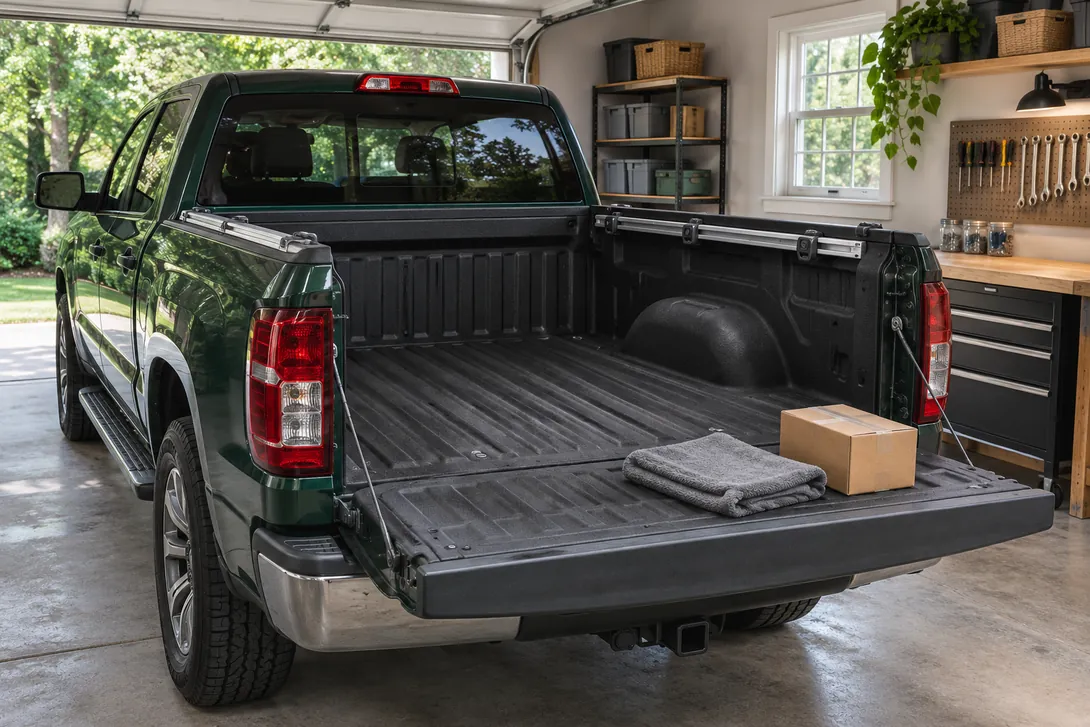
Sketch what the lid must do
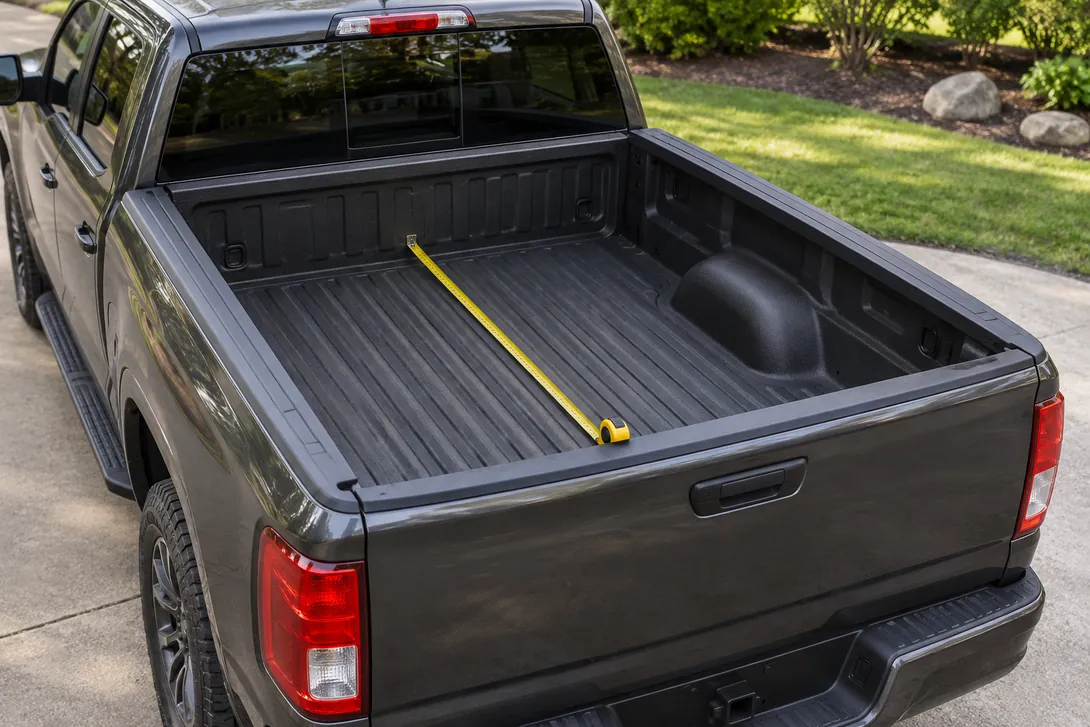
Record the inside length and widths at the front, middle and rear. Sketch the mounting surface, liner, tailgate arc and openings you need for loading. Put the tallest everyday cargo in the bed while parked. A paper or cardboard section over it shows whether a single lid, separate hatch or removable panel could serve the job.
Make a materials worksheet before cutting
Use measured dimensions to draw panels full size and list the parts that depend on the design. Keep the truck manufacturer's body and accessory mounting guidance beside the drawing. Unverified fastener locations or a lack of load evidence are reasons to consult a qualified fabricator.
| Design question | What the sketch should show |
|---|---|
| Opening path | Hinge axis, lid thickness, open position and tailgate travel. |
| Weather management | Overlaps, seal contact surfaces and an exit for collected water. |
| Retention | Dedicated mount points, secondary restraints if specified, and access for inspection. |
| Handling | Panel weight, number of people and a supported place to store it. |
Worked example
Catch an expensive mistake with cardboard
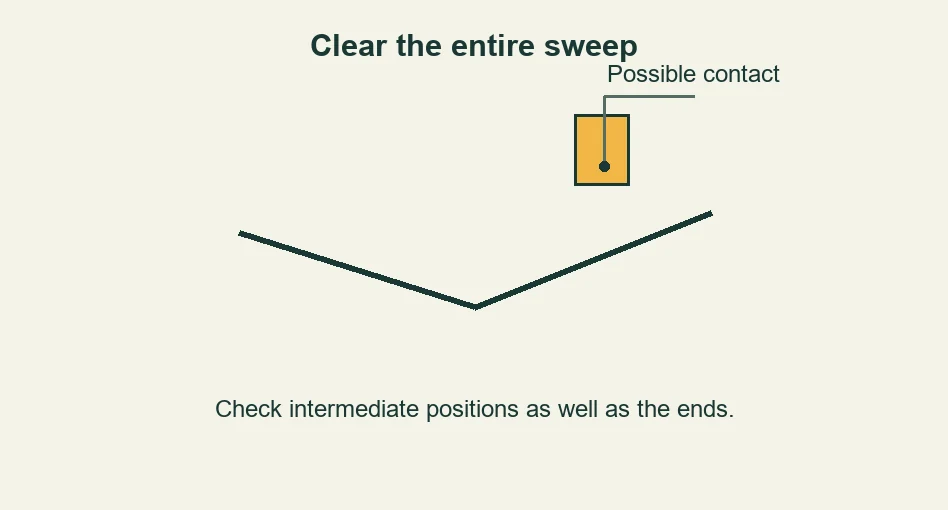
A driver wants a home-built cover over a small cargo trailer-style chest in the bed. A full-width cardboard panel matches the opening when flat, but the mocked-up rear edge catches the raised tailgate cap as it swings. Tape a second strip to the cardboard to represent the intended thickness and move the hinge line on the drawing.
Record which positions allow both the lid and gate to open without collision. The mock-up now establishes a useful geometric constraint for a fabricator. It says nothing about whether the proposed mounts resist road forces, so leave retention and suitability for travel with a qualified designer.
- Draw both diagonals
- Equal front and rear widths do not establish that the opening is square.
- Make a fastener exclusion sketch
- Mark trim, wiring and vehicle areas with unknown clearance so the designer can identify approved mounting locations.
Choose a useful next prototype
A cardboard model can establish space and reach. It cannot establish aerodynamic retention, allowable roof loads or crash performance. Road use requires a design and mounting method appropriate to the vehicle and the loads involved.
| Situation | What to check |
|---|---|
| Will the panel clear a toolbox? | Mock up its thickness and hinge sweep. Open the toolbox through its full travel with the truck parked. |
| Where will rain run? | Draw the path from the highest point to an outlet. Consider the rail-to-tailgate corners and whether a trapped gutter can drain. |
| Can I haul items above it? | Obtain a separately rated carrying solution or engineer-verified design. Do not assign a payload rating from panel thickness alone. |
Compare the custom and off-the-shelf paths
Take photos, dimensions and mock-up results to a fabricator for a hardware and installation quote. Price a fitted cover that solves the same job. For any system, secure cargo using suitable anchor points and follow NHTSA load-securement guidance independently of how the lid closes.