
Truck fit
Chevrolet Avalanche Tonneau Covers
Many Avalanches use individual cargo panels with dedicated seals and latches. If one is missing, identifying that panel and its surrounding hardware is usually a better first step than shopping for a conventional pickup tonneau.
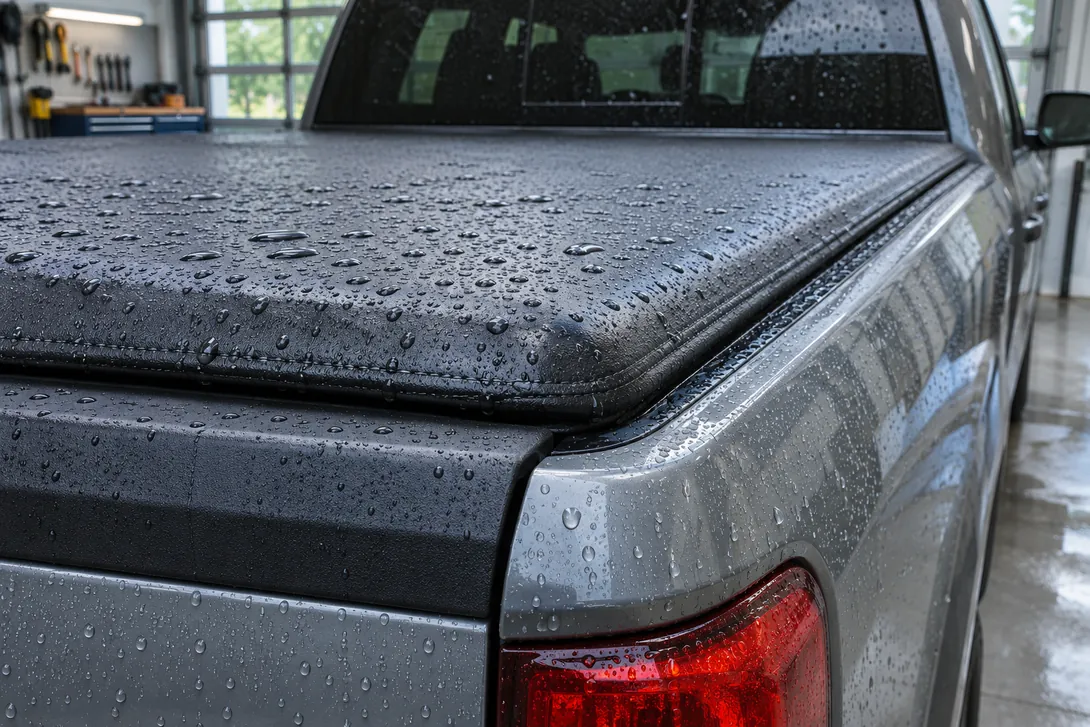
Identify what remains on the truck
Record the year and photograph the bed with the panels in place and removed. Look for panel position markings, sealing edges and matching latch locations. Compare the system with the cargo-cover chapter in the vehicle's own manual.
How the original panels fit together
Chevrolet describes the removable three-piece cargo-cover system in the 2011 manual. Each panel has an intended position, orientation and storage method. For a used replacement, compare the panel marking and the condition of both adjoining edges. Missing seals or worn receivers can make a correct panel appear to be the wrong size.
| Configuration | Fit or ownership decision |
|---|---|
| One original panel is missing | Identify its position and mating edges before ordering a donor panel. |
| Water enters at a joint | Check installation order, latch engagement and the adjoining seal. |
| All panels removed | Use the vehicle manual's storage system so the panels stay secured in transit. |
Your truck fit note
Compare the note with the manufacturer’s application list for the exact part.Worked example
One panel joint gets wet after rain
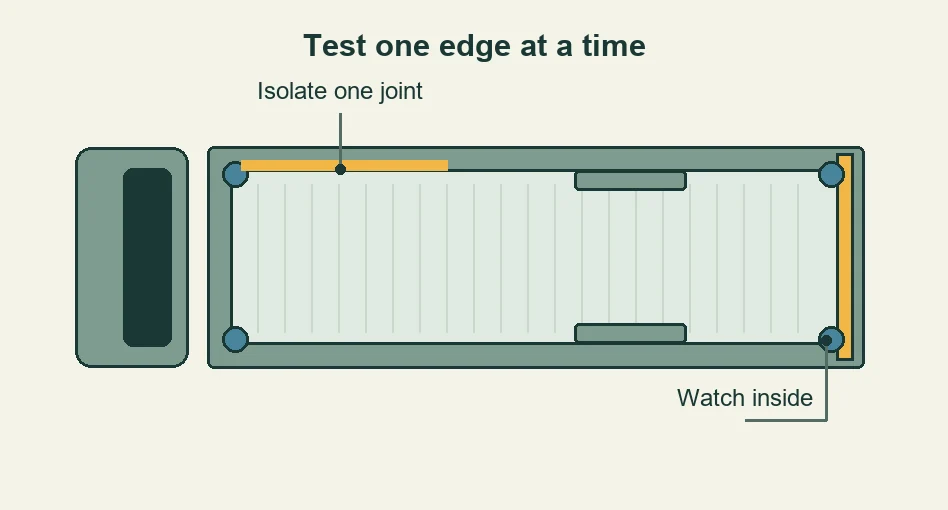
Remove the cargo and dry the area enough to identify where water arrives first. Compare the position markings and installation order of the Avalanche cargo panels with the vehicle manual. If the first wet point sits directly below a joint that is visibly uneven, check seating and latch engagement before buying weatherstrip.
If the joint sits correctly but water gathers at a corner, inspect the accessible drainage path and adjoining seal. A donor panel should match the position and edge profile involved. Ask whether the seller includes its mating hardware and how the removed parts will travel home.
- Isolate the first wet spot
- Trace water from its first appearance rather than the largest puddle.
- Keep panels secured
- Use the manual's storage arrangement when the panels are out of the bed.
Before chasing a leak
Identify where water first appears relative to a panel joint, the front edge and the tailgate. Check that panels are seated and latched in the manual's sequence, then inspect the relevant seal and drainage path. A new panel will not cure a blocked channel.
What to take to a recycler or dealer
Supply the year, panel position, stamped markings if present, and pictures of the latch and seal. Ask whether brackets, weatherstripping and a storage bag come with the part. Follow the manual for securing panels removed from the truck.