
Cover styles
Aluminum Tonneau Covers and Panel Construction
Aluminum might describe the face of a panel, a set of interlocking slats or simply the frame under a fabric top. Identify which components use it. The word alone does not establish installed weight, permitted loads or the finish you will have to maintain.
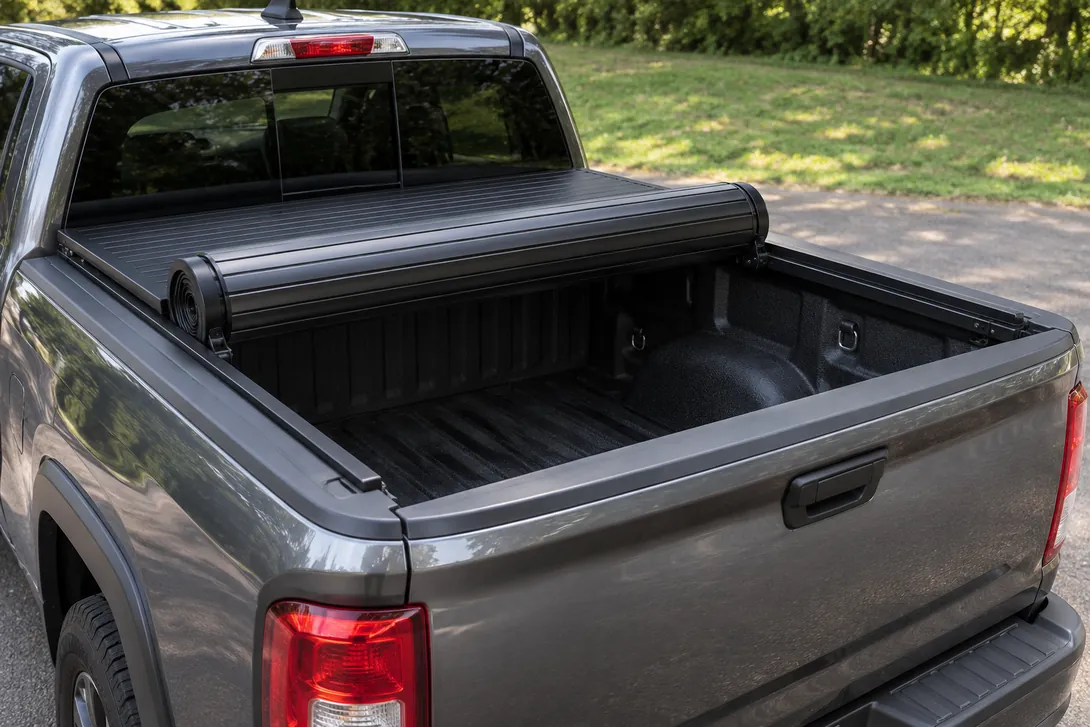
Separate construction from opening style
A hard fold can use sandwich panels with metal faces. A hard roll or retractable design can use jointed metal slats, while a soft cover may rely on aluminum support bows. A comparison between two nominally aluminum covers can therefore involve completely different surfaces and mechanisms.
Keep three weights apart
Shipping weight includes packaging. Installed weight is what the kit adds to the truck. A surface load rating covers what the maker permits on top under specific conditions. Rack ratings can be different again.
| Specification | What to verify |
|---|---|
| Material | Panel face, core, frame, side rails and exposed finish. |
| Handling weight | The component that must actually be lifted during removal. |
| Load rating | Footprint, distribution, moving or parked use and mounting conditions. |
| Cleaning | Care instructions for the outer coating or fabric. |
Worked example
A listing calls two very different covers aluminum

A buyer compares a soft cover with an aluminum support frame and a rigid aluminum-slat roll. The specifications use the same material name, but the first design still has a flexible exposed surface. In a side-by-side note, write down the material of the outer face, the elements carrying the top and the part lifted during removal.
Then add the maker’s instructions for the specific thing you care about, such as finish cleaning or permitted deck loading. If one listing only specifies its frame, request the missing surface information. A purchase based on the material label alone could miss the intended function entirely.
- Keep shipping weight separate
- A boxed kit can weigh more than the assembly an owner handles during removal.
- Check the source of a load rating
- A rating for accessory crossbars does not establish capacity for the panel or slats underneath.
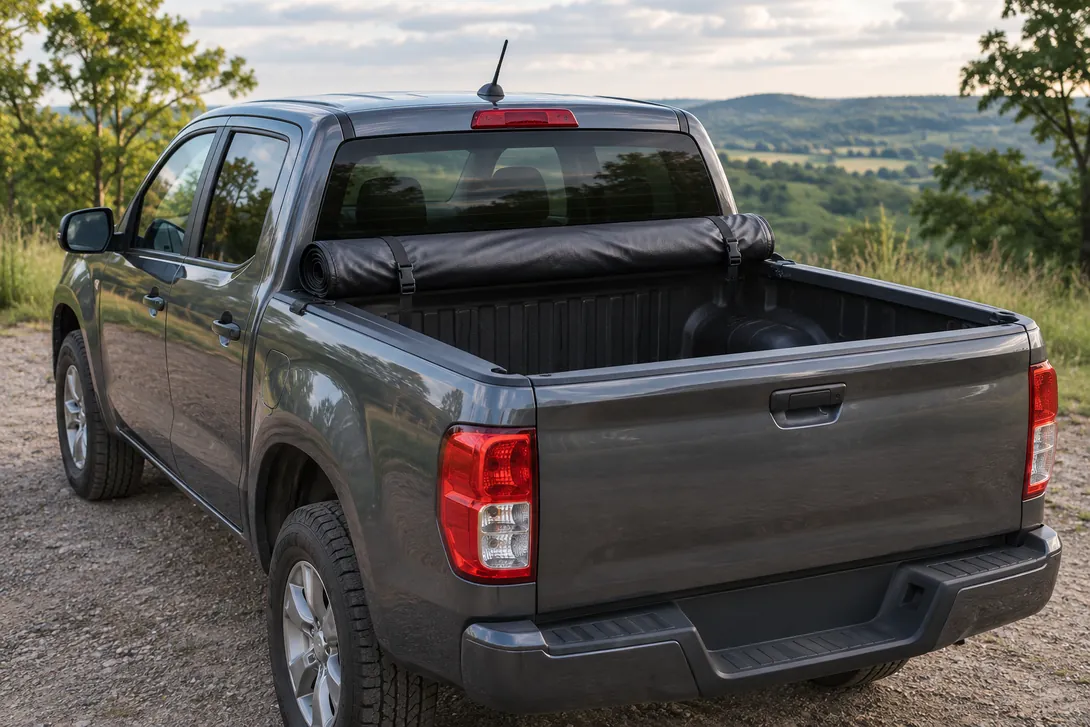
Select a design for your purpose
Compare a folding MX4, rolling Revolver and retractable RetraxPRO XR by where the assembly goes when open. If your requirement is hauling on the top, narrow the list to expressly rated platforms first.
| Situation | What to check |
|---|---|
| Lighter handling | Ask for the weight of the removable assembly for your bed size and how it is supported during removal. |
| Carrying cargo on top | Find the rating and approved tie-down points for that precise surface or track system. |
| An easy-care surface | Identify any coating or skin above the aluminum. Follow its maker's care directions. |
Compare like applications
Two prices can refer to different bed sizes, rail options or material revisions. Save the fit listing and parts diagram for the actual kit so later repairs and finish maintenance match what is on the truck.